Residential License # 890459
Commercial License # 3667
Designing the Great Outdoors. - New Orleans's #1 Outdoor Design Company!



Talk to an Expert
Residential License # 890459
Commercial License # 3667
Talk to an Expert
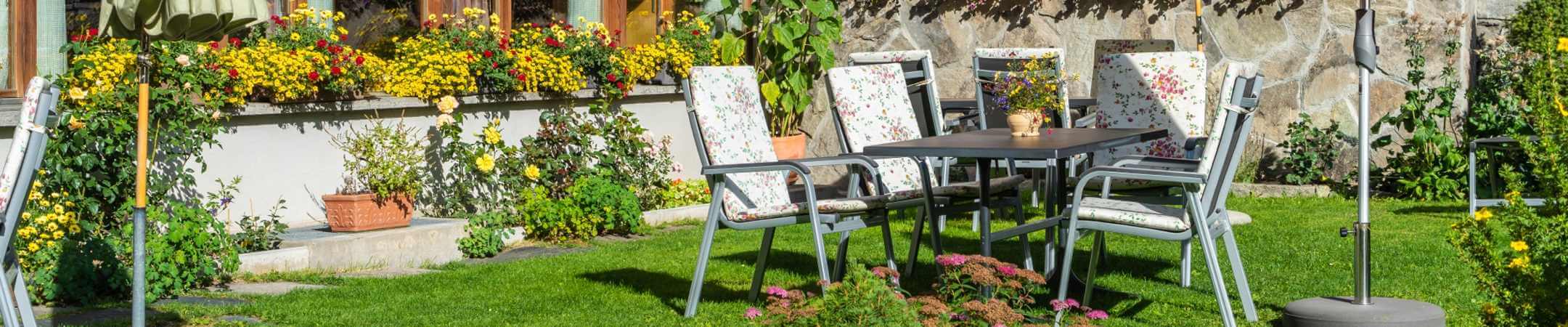
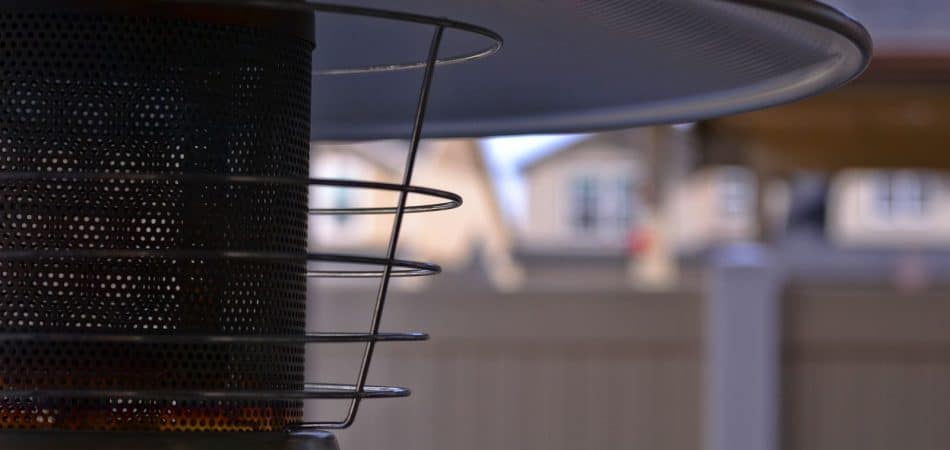
Propane, natural gas, and electric infrared outdoor heaters can each stretch a patio’s usable season into winter when sized and placed correctly. Freestanding propane units typically produce 30,000 to 45,000 BTU and cover the most ground, while electric infrared models trade some heat output for lower running costs and tighter clearance needs. Matching heater type, placement, and clearance to a patio’s layout keeps outdoor evenings comfortable through the coldest weeks in New Orleans.
At TurnKey Outdoor Designs, we design outdoor living spaces meant to be used, not just admired from behind a window once the temperature drops. A well-placed outdoor heater is often the difference between a patio that goes quiet every winter and one that stays part of the household routine.
Even in a city known for mild winters, patios sit empty more nights than homeowners realize once the temperature drops below the mid-50s. The right heater setup changes that math without a full rebuild.
Choosing between propane, natural gas, and electric options depends on patio size, layout, and how often the space gets used after dark. Contact us today to find the right heating setup for your patio.
New Orleans is not a cold-weather city, but it isn’t immune to winter chill either. December afternoons typically climb into the mid-60s°F, with overnight lows in the upper 40s°F.
January runs colder still, with average highs near the low 60s°F and lows regularly falling into the low-to-mid 40s°F. Cold snaps can push temperatures into the 30s for a night or two.
Those numbers sound mild next to northern states, but they are cold enough to send most patio gatherings indoors without a heat source. A single outdoor heater holds a patio at a comfortable temperature through most of the cold season.
Outdoor heaters fall into a few main categories, and each one fits a different patio layout and budget. The table below breaks down heat output, best use, and relative cost.
| Heater Type | Heat Output | Best Use | Cost Tier |
|---|---|---|---|
| Freestanding Propane | 30,000-45,000 BTU | Large open patios, parties | Mid-range |
| Tabletop Propane | 10,000-15,000 BTU | Small tables, dining nooks | Budget |
| Electric Infrared (Freestanding) | 5,000-15,000 BTU | Covered patios, apartments | Mid-range |
| Wall or Ceiling-Mounted Infrared | 5,000-20,000 BTU | Permanent covered spaces | Higher upfront |
| Fixed Natural Gas | 30,000-40,000 BTU | Built-in outdoor kitchens | Higher upfront |
Propane and natural gas heaters produce the most heat per unit, so they cover the largest seating areas without leaving cold spots. Freestanding propane models run on a refillable tank and move wherever the gathering happens.
Fixed natural gas heaters connect directly to a home’s gas line, skipping the tank, but need a permanent spot. Either option suits a full-size patio or an outdoor kitchen where guests linger for hours.
Homeowners with an existing gas line often default to a fixed unit, since running cost tends to stay lower than refilling propane.
Electric infrared heaters warm people and objects directly instead of heating the air, working well even on an open, breezy patio. They also skip the propane tank, so there’s no fuel to store or refill.
Most electric infrared units fall in a lower BTU range than gas heaters, generally 5,000 to 20,000 BTU, making them a better fit for smaller seating areas, apartment patios, or setups where open flame isn’t allowed.
Because they run on standard household power instead of stored fuel, they’re often one of the few heater types allowed on rental patios with open-flame restrictions.
Tabletop heaters are the smallest freestanding option, usually propane-fueled and sized to sit on or beside a dining table. They typically produce 10,000 to 15,000 BTU, enough to keep two or three people warm at close range.
They work best for small balconies, bistro-style seating, or a single conversation nook rather than a full patio. Because they sit close to guests, clearance and stability matter more than with a larger freestanding model.
Larger freestanding propane heaters and permanently mounted infrared units both suit patios built for entertaining. A freestanding unit can be repositioned as the guest list and seating layout change from one gathering to the next.
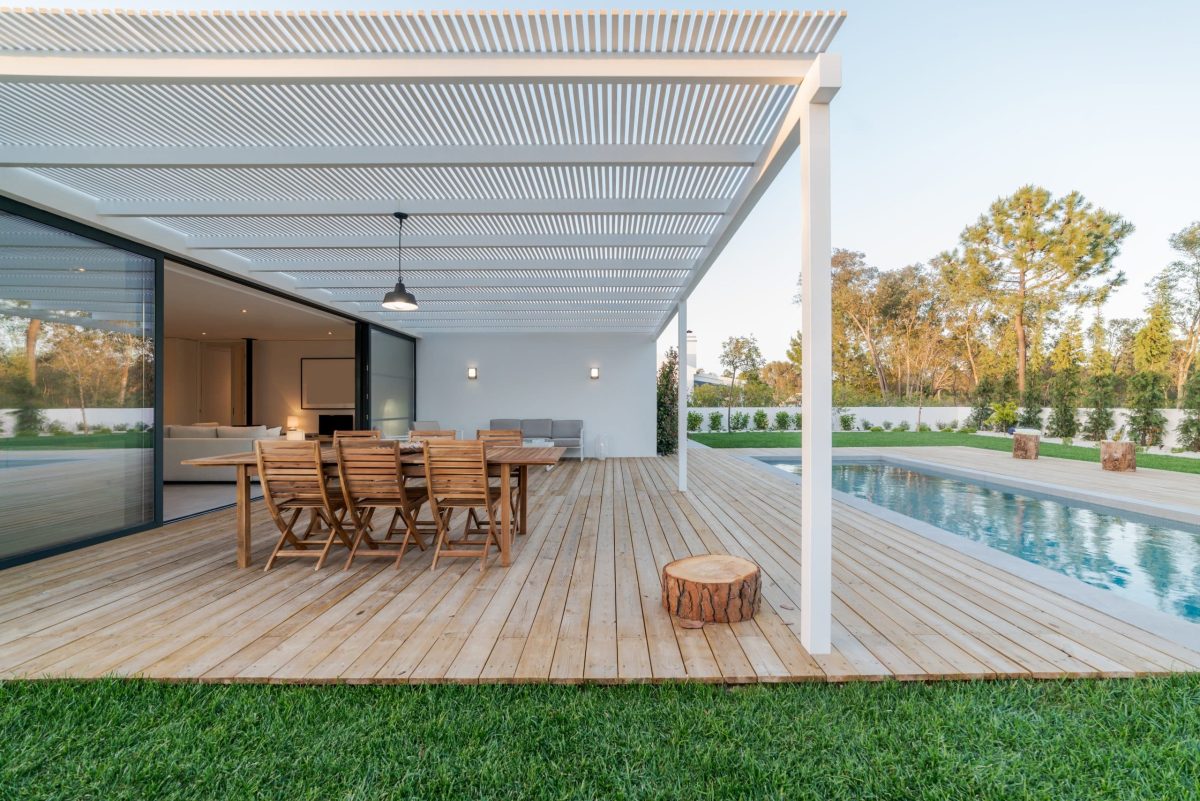
A mounted heater, wall or ceiling, stays out of the walking path and works well once a layout is settled under a pergola or gazebo build. The tradeoff is a fixed installation planned before the structure goes up.
Every outdoor heater carries manufacturer clearance requirements, and skipping them turns a cozy patio feature into a fire risk. The ranges below cover the most common setups, but the rating plate is always the final word.
Most freestanding propane and natural gas heaters need at least 3 feet of open space on every side, away from railings, furniture, and anything flammable. That clearance also applies overhead if the heater sits under any kind of roofline.
Placing a heater too close to seating can also make the area uncomfortable, since the reflector head throws heat outward as much as upward. Most manuals recommend a similar buffer directly beneath the unit.
A pergola or patio cover changes the clearance math, since heat has less room to dissipate upward. Manufacturers commonly call for a minimum of 3 feet between the heater’s top and any roof, beam, or panel above it.
Open-lattice pergolas generally ventilate better than solid-roof covers, but the heater’s manual, not the structure type, sets the real requirement. Confirm the clearance before finalizing where the seating goes.
A solid-roof cover with limited airflow may call for a larger buffer, so the rating plate remains the safer reference.
Wall and ceiling-mounted infrared heaters have their own clearance specs, measured from the unit to the nearest combustible surface. These distances vary by wattage and model, so the installation manual is the only reliable source.
A licensed installer checks these numbers against the actual structure before mounting anything, since a patio’s framing material can change what is safe. Skipping that step is a common mistake.
Any gas-fueled heater needs enough airflow to vent combustion byproducts safely, so fully enclosed patios need extra planning before a propane or natural gas unit goes in. Electric infrared heaters sidestep this issue, since they produce no combustion exhaust.
A patio with at least one open side generally ventilates well enough for a properly clearanced gas heater. A fully screened-in or glassed patio should lean toward electric infrared instead.
A carbon monoxide detector adds a reasonable safeguard in any partially enclosed space.
Outdoor living has become more of a year-round expectation for New Orleans homeowners, not just a warm-weather feature. Adding heat to a patio, deck, or pergola turns three or four quiet winter months back into usable entertaining time.
That shift matters most for homes built around an outdoor kitchen or covered seating area that would otherwise sit unused most of the winter. A heater keeps that investment working instead of sitting dormant.
Homeowners planning a new patio installation increasingly ask for heating as part of the original design. Planning clearance and power access from the start avoids costly changes later.
Picking the right outdoor heater comes down to patio size, how it’s used, and whether it sits under a roofline or out in the open. At TurnKey Outdoor Designs, we help homeowners match heater type and placement to the patio, deck, or outdoor kitchen we build.
A patio that stays comfortable in January gets used more than one that only works from April to October. <a href=”tel:+15047026996″><strong>Call us today</strong></a> to talk through the best heating setup for your patio.
Running cost depends on heater type, size, and how often it gets used, but propane models typically cost more per hour of use than electric infrared units, which draw less power. Occasional use for gatherings costs far less than running one nightly.
Electric infrared heaters generally work best under a covered patio, since they produce no combustion exhaust and need less overhead clearance than propane or natural gas units. A mounted infrared model also keeps the space free of a bulky freestanding unit.
Yes, as long as the pergola provides enough overhead and side clearance to meet the heater’s manufacturer requirements, typically a minimum of 3 feet in every direction. Open-lattice pergolas generally ventilate better than solid-roof covers for this purpose.
A small dining nook usually needs 10,000 to 15,000 BTU, while a full-size open patio built for entertaining typically calls for 30,000 to 45,000 BTU from a freestanding propane or natural gas unit. Covered or partially enclosed spaces often need less output than fully open ones.
Propane and natural gas heaters put out more heat and cover more ground, making them better for large or fully open patios. Electric infrared heaters cost less to run per hour and fit tighter clearance requirements, making them a better match for covered or smaller spaces.
Most freestanding gas heaters need at least 3 feet of clearance from the house, railings, and any combustible siding or trim, though the exact distance depends on the specific model’s rating plate. Wall-mounted units have their own mounting distances a licensed installer should confirm.
Yes, humidity doesn’t significantly affect how well an outdoor heater performs, since the heat comes from direct radiant output rather than dry air. New Orleans’ occasional damp cold actually makes a heater feel more effective, since radiant heat cuts through damp chill quickly.
A well-maintained propane or natural gas heater commonly lasts several years with regular cleaning and proper offseason storage or covering. Electric infrared units tend to have simpler mechanics with fewer moving parts, which can extend their working lifespan even further.
 Turnkey Outdoor Designs