
01
Free Site Assessment and Design
We shoot the levels, find where water currently stands and work out what the levee side of the lot is doing before anything is drawn.
St. Rose
Decks, patios, outdoor kitchens, pergolas and sunrooms, drawn and built by one team. Ten feet above sea level on the east bank, on ground that was sugar plantation land before it was anything else.
What You Get
A free estimate after a site visit, and a design drawn for what is actually under your lot. Ten feet above sea level on the east bank, on ground that was sugar plantation land before it was anything else. Everything else on the project is planned after that question is settled.
We walk the lot, take the levels off the levee side and give you a figure built from what is actually there. No charge, and nothing owed afterwards.
Between the river on one side and the open ground west of the community on the other, water management here is decided lot by lot. We settle that before a surface or a material is chosen.
Residential License # 890459 and Commercial License # 3667, and the same licences cover every parish along the river we work in.
The person who reads the levels is the person who sets the footings. On ground this flat that single fact decides whether the finished surface drains.
River-bank damp reaches a structure from underneath first, so the framing and the fixings are specified before anyone talks about the surface.
We work Monday to Friday, 8:00 AM to 3:00 PM. Two miles from the Jefferson Parish line, so a St. Rose job sits inside the same working day as a Kenner one.
Why People Call
Usually because the yard stopped draining and then stopped being used. Between the river on one side and the open ground west of the community on the other, water management here is decided lot by lot.
Between the river on one side and the open ground west of the community on the other, water management here is decided lot by lot. It is the single most common reason a yard here goes unused.
Small enough that a finished project is noticed, which is usually how the next one on the street starts. Shade is usually what unlocks the rest of the yard.
On low ground the framing goes before the boards do, and by the time a deck feels wrong underfoot the structure is usually the work.
Cooking indoors while everyone sits out on the levee side puts the host in the wrong room, and an outdoor kitchen is what fixes it.
Buyers along the river look closely at what a yard does in heavy rain, and a surface that visibly drains is worth more than one that does not.
Roots lift paving and beds drain onto surfaces they were never meant to reach, which on flat ground undoes the falls you paid for.
Cracked concrete and sunken pavers on this ground are almost always a base problem rather than a surface one.
A space you cross wet grass to reach does not get used, and on flat ground the grass stays wet for a while.
Furniture crowded into the one corner that stays dry is a layout problem, not a furniture problem. A community of seven and a half thousand people where lots vary widely, with the LaBranche Dependency House standing since 1792 as the oldest thing on any of them.
What We Build
All five, across the whole of St. Rose and the communities beside it. Small enough that a finished project is noticed, which is usually how the next one on the street starts. Most river-side projects end up combining two of them, and drawn together they share one base.
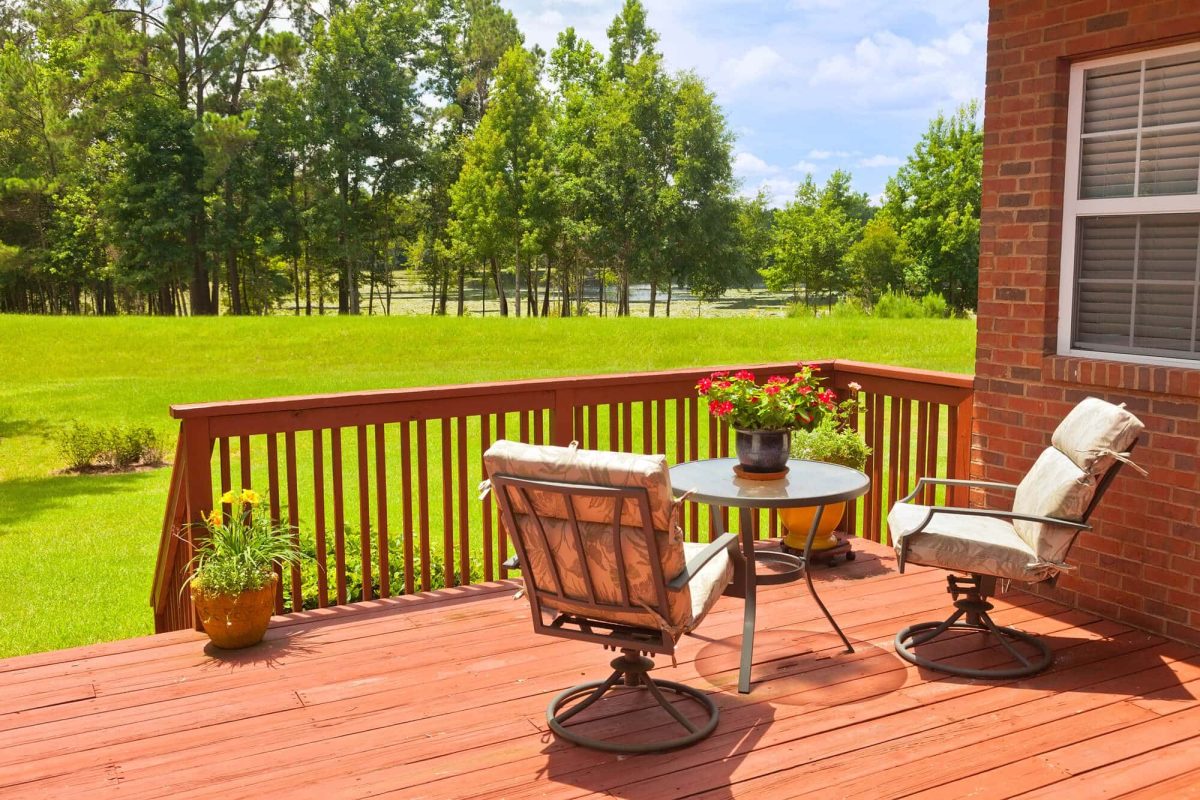
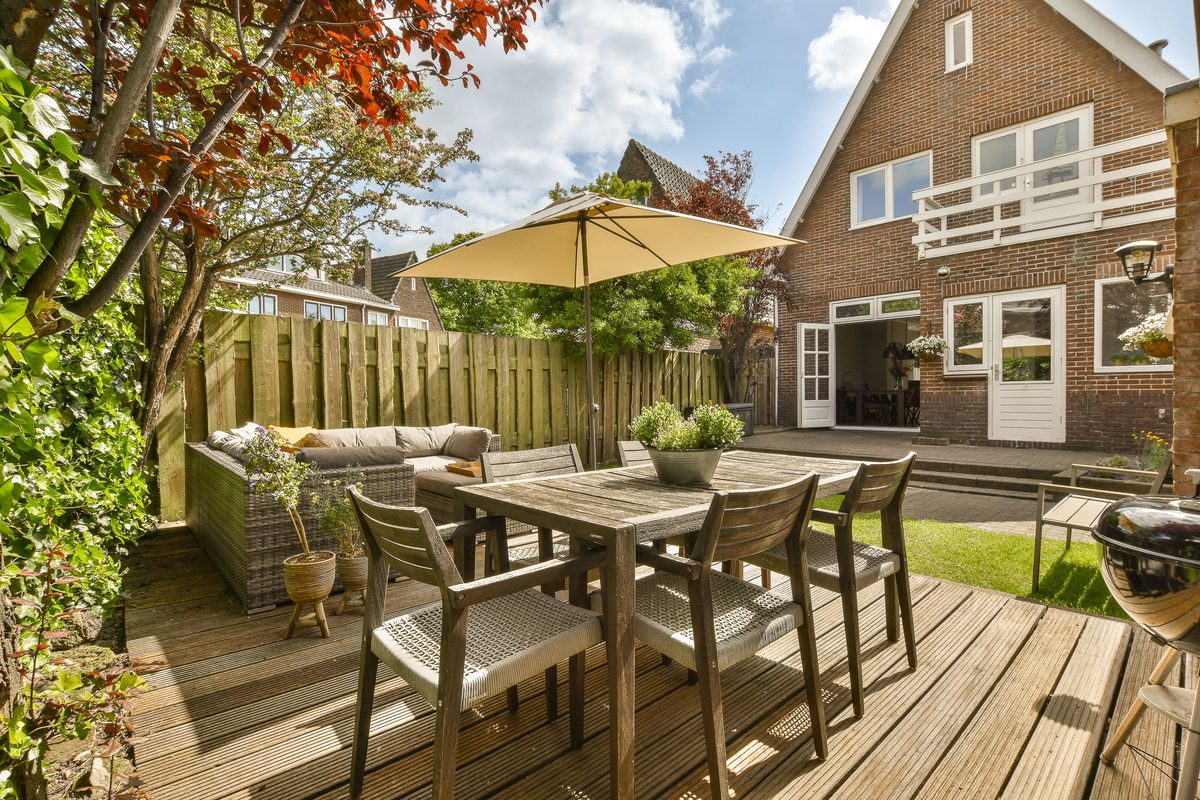
Outdoor Home Decks in St. Rose. A level, usable surface where the ground will not cooperate, with the upkeep of wood and composite weighed against this climate.
Learn more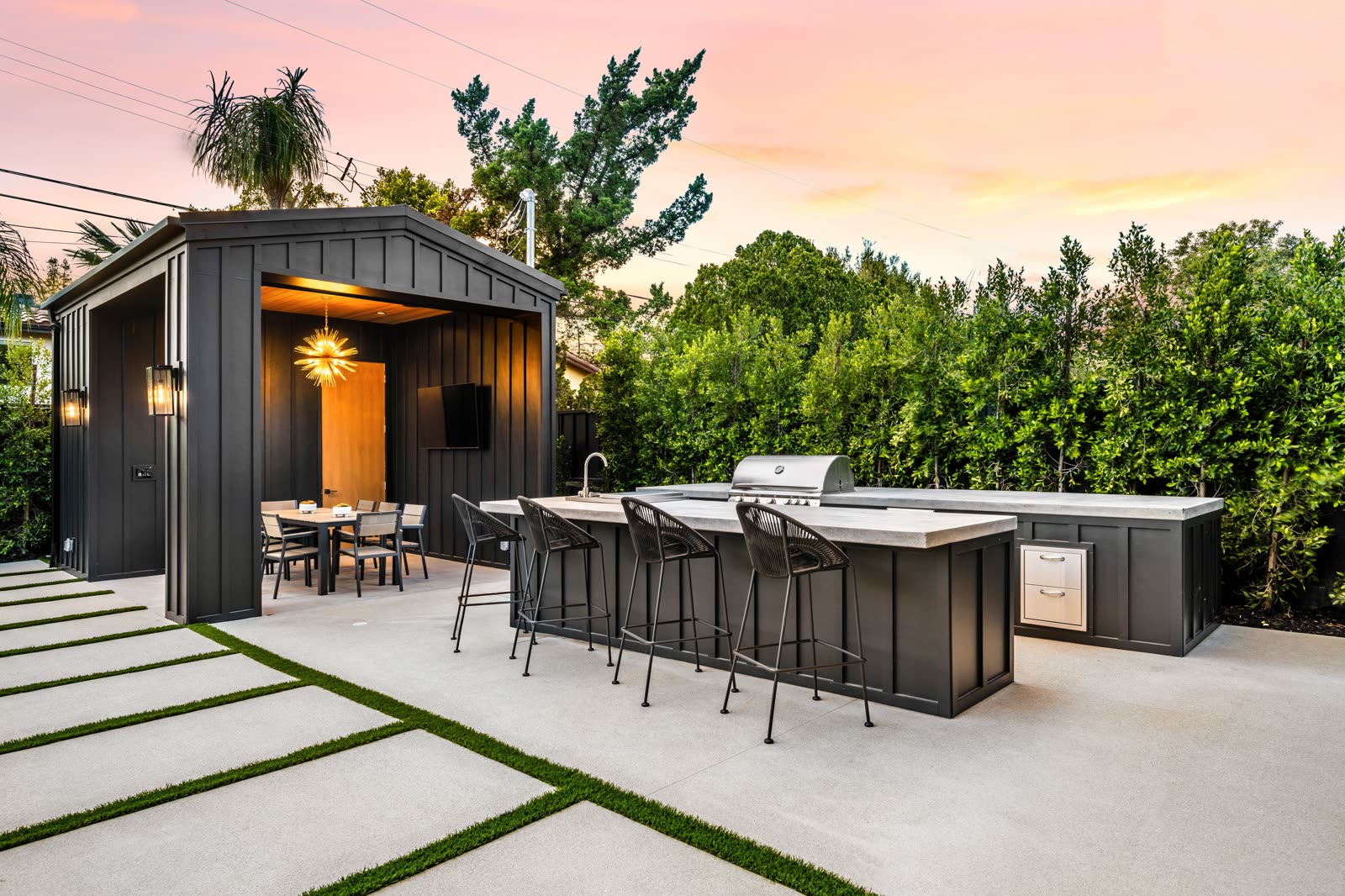
Outdoor Kitchens in St. Rose. A grill, the counter and storage around it, and the gas, water and power that have to reach the island.
Learn more
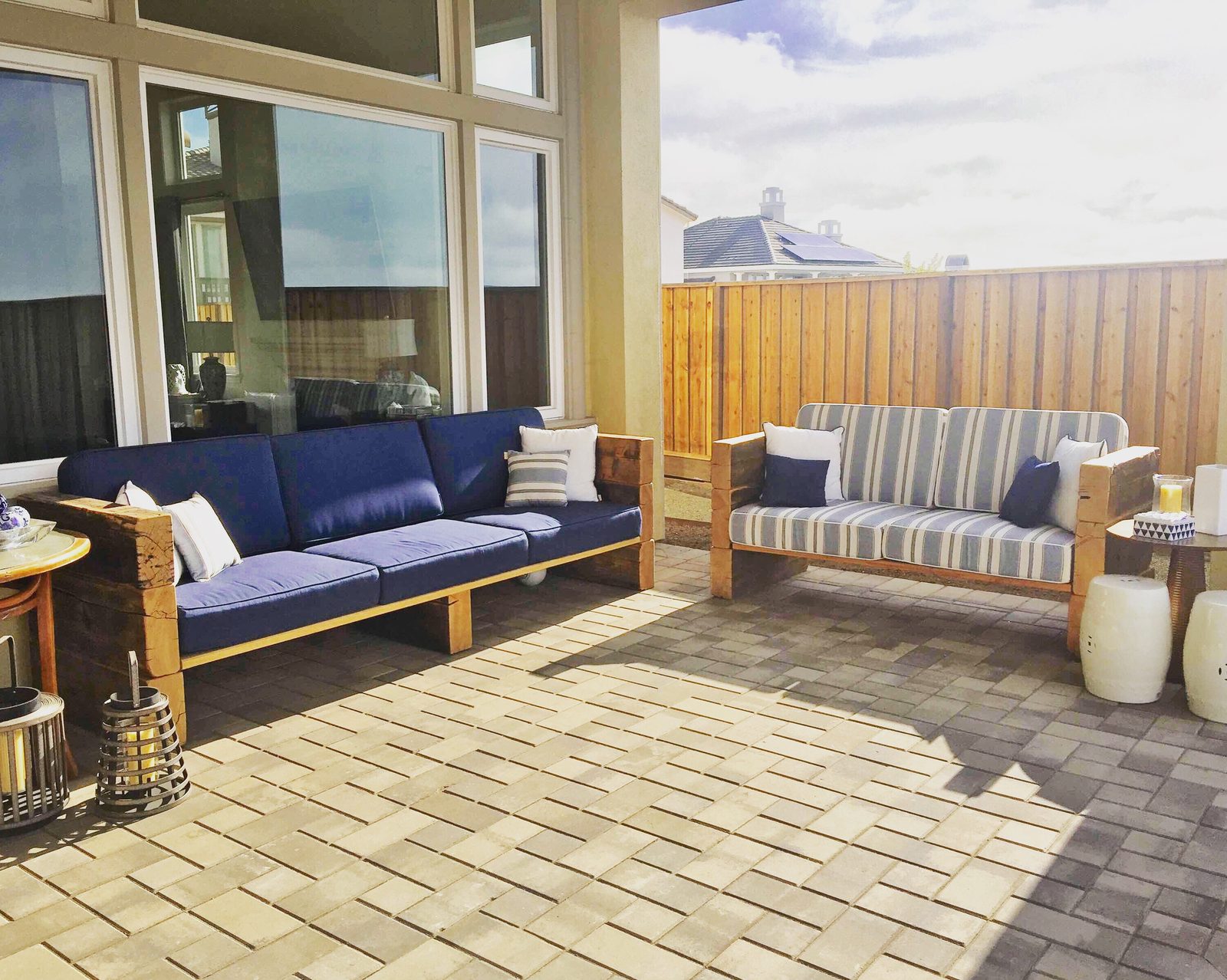
Patios in St. Rose. Hard surfaces set to drain properly on flat ground, sized for the furniture and the number of people you want to seat.
Learn more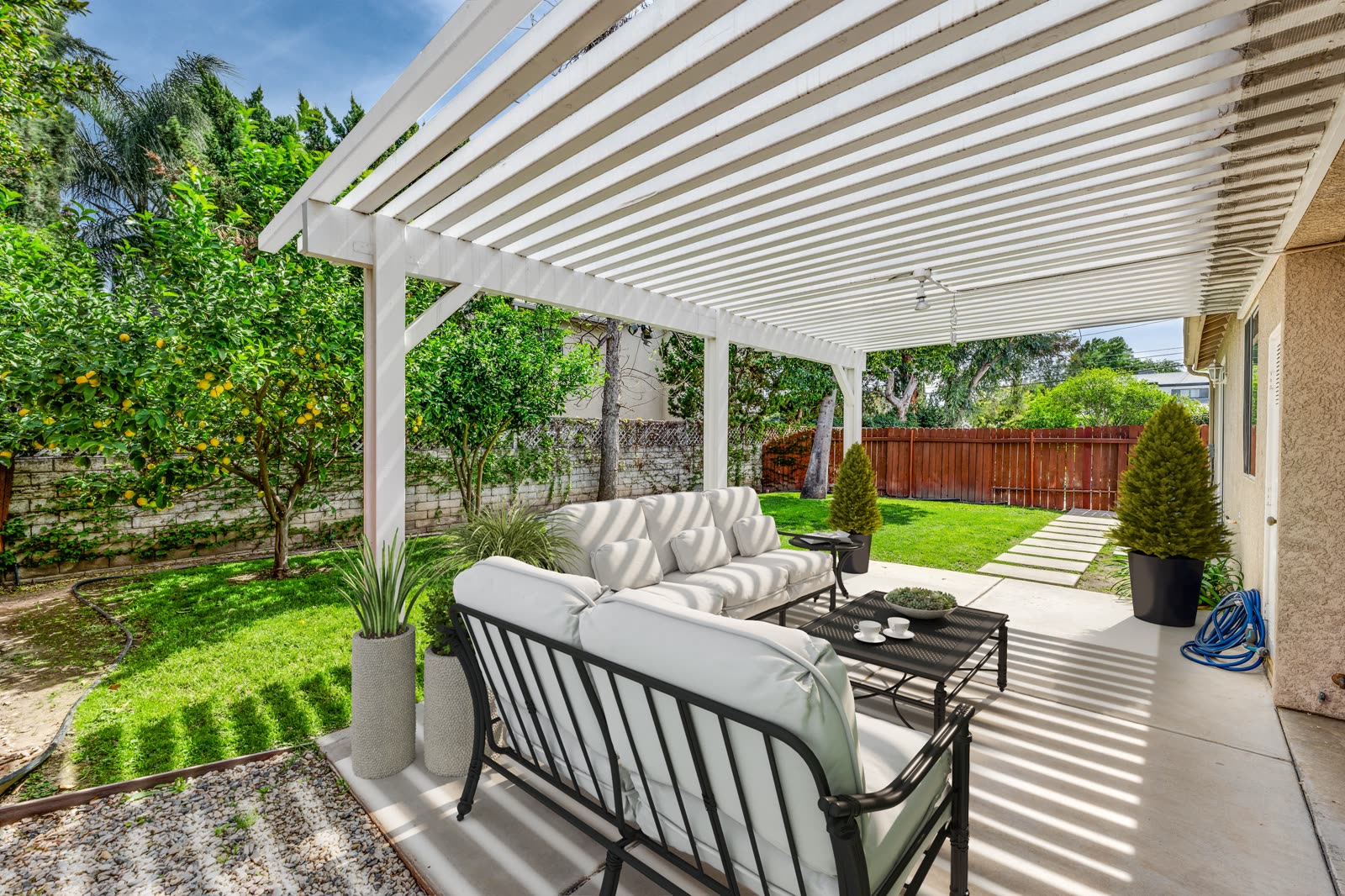
Pergolas and Gazebos in St. Rose. Shade where the afternoon sun makes a space unusable, set on footings that hold in this ground.
Learn more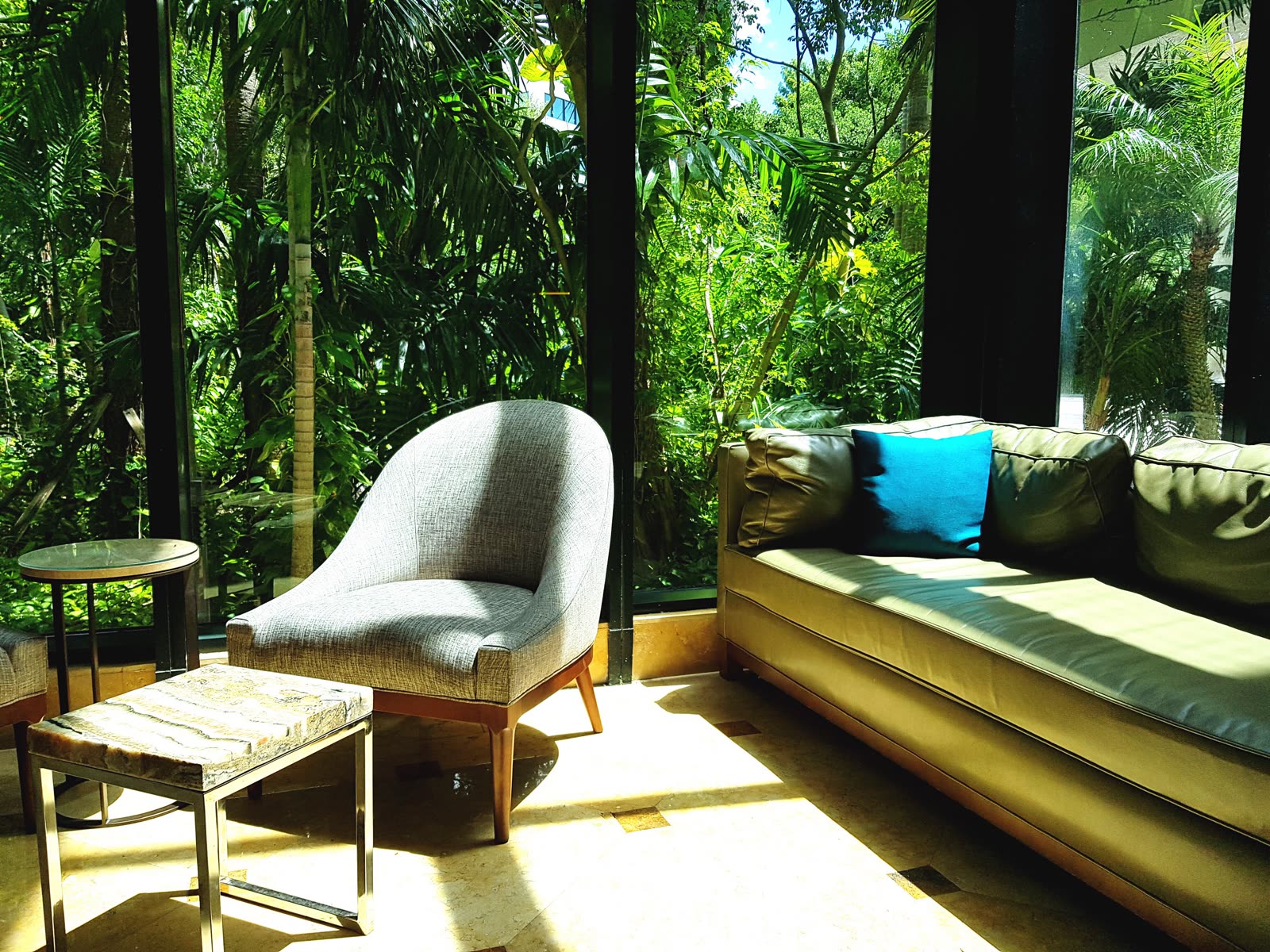
Sunroom in St. Rose. An enclosed room that keeps the daylight and the view while shutting out the heat, the rain and the insects.
Learn more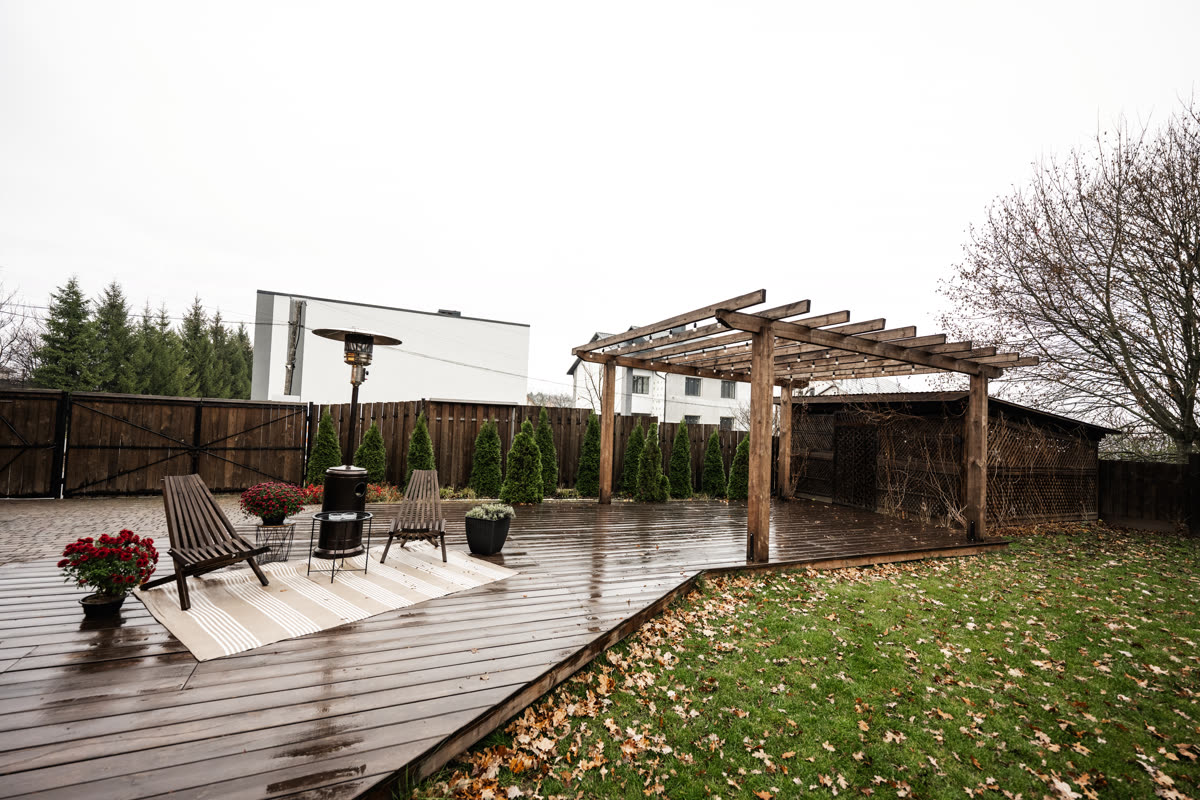
The full list of the fourteen cities we design and build in, from Greater New Orleans across the north shore.
Learn more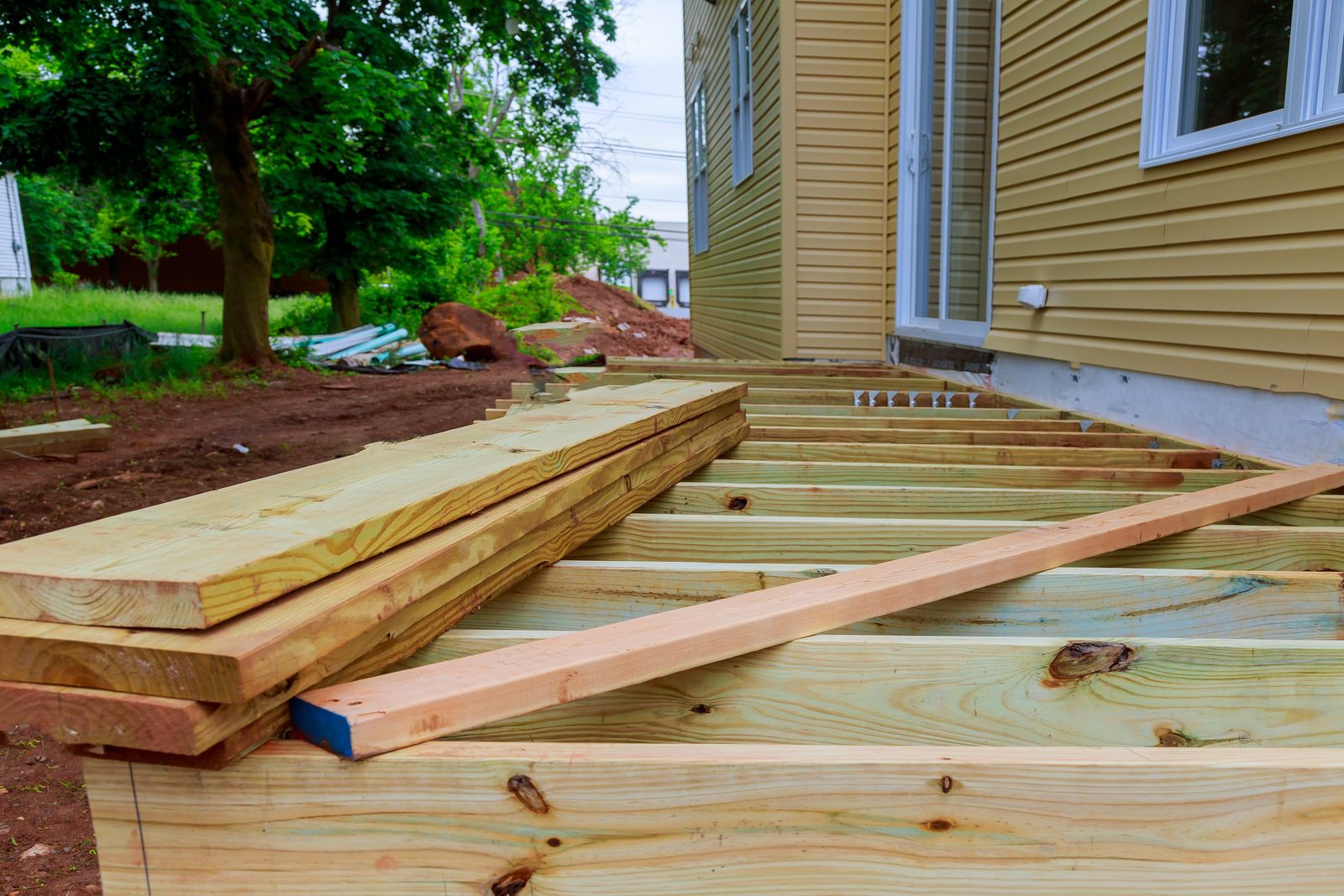
Signs to Watch
Standing water a day after rain, timber that gives underfoot, and a surface nobody uses in high summer. Ten feet above sea level on the east bank, on ground that was sugar plantation land before it was anything else. Any one of them is worth a site visit, because on this ground all three get worse in the same direction.
Standing water a day later means the fall was never built in. That is a drainage job before it is a surfacing job.
Give underfoot on low ground almost always means the frame, and the frame is cheaper to check than to replace.
An empty surface between June and September usually means shade, not a failed slab. Small enough that a finished project is noticed, which is usually how the next one on the street starts.
Local Ground
Flat river-bank ground at or near sea level, behind a levee. There is almost no natural fall to move water off a surface, so drainage is the first decision on every build and everything else is planned around it.
| Local condition | What it does to a build | What we do about it |
|---|---|---|
| Ground at or near sea level | Water has nowhere obvious to go once it lands. | Levels and falls taken from the lot itself, with drains and proper sloping designed in before a surface is chosen. |
| Life behind the levee | The whole drainage picture is man-made, and it works only where it was planned. | We look at where rain currently stands before recommending a deck or a patio, because the answer changes lot by lot. |
| Heavy rainfall | Rain arrives fast and all at once rather than spread across a day. | Drainage designed first. Correcting a fall after a surface is laid means lifting the surface. |
| Sustained humidity | Damp works on framing, fixings and finishes every month of the year. | Materials weighed on what they do after a few summers here, not on how they perform somewhere drier. |
| River-bank soil | Soft ground moves, and it does not move evenly across a single lot. | Footings and bases set from a survey of the actual ground rather than from an assumption. |
| A long hot season | Unshaded decking and paving go unused through the middle of the day. | Shade planned with the build. A pergola over part of a surface also protects what is underneath it. |
Drainage is the first decision here, not the last. Ten feet above sea level on the east bank, on ground that was sugar plantation land before it was anything else. Every St. Rose project gets a free estimate after a site assessment, because the ground is what sets the figure.
Local Contractor
Someone who already knows what water does on ground this flat. A community of seven and a half thousand people where lots vary widely, with the LaBranche Dependency House standing since 1792 as the oldest thing on any of them.
Two miles from the Jefferson Parish line, so a St. Rose job sits inside the same working day as a Kenner one.
Ten feet above sea level on the east bank, on ground that was sugar plantation land before it was anything else. That is normal to us rather than a surprise on the day.
The crew that surveyed your levee-side levels is the crew that turns up with the concrete.
Residential License # 890459 and Commercial License # 3667, plus finished work along this stretch of the river you are welcome to go and look at.
How It Runs
Three stages, always in the same order, and on ground this low the first one carries the project: a free site assessment, then materials and the estimate, then the build.
We shoot the levels, find where water currently stands and work out what the levee side of the lot is doing before anything is drawn.
Materials chosen against the humidity and rainfall here, with a figure built from the site itself rather than from a phone call. A community of seven and a half thousand people where lots vary widely, with the LaBranche Dependency House standing since 1792 as the oldest thing on any of them.
Drainage and base first, always, then the structure, with the falls checked again before anything is surfaced.
Before You Start
Where the water goes, how much of the year the space has to work, and what the surface will ask of you. On this ground the first one decides the other two.
Between the river on one side and the open ground west of the community on the other, water management here is decided lot by lot. It sets the base, which is the part that costs most to redo.
A shaded space and an unshaded one are different builds on this ground, and July is the month that decides it.
Every material trades cost now against attention later, and damp ground shortens the gap between the two.
Recent Work
Finished decks, patios and outdoor kitchens from along the river and across Greater New Orleans. Two miles from the Jefferson Parish line, so a St. Rose job sits inside the same working day as a Kenner one.
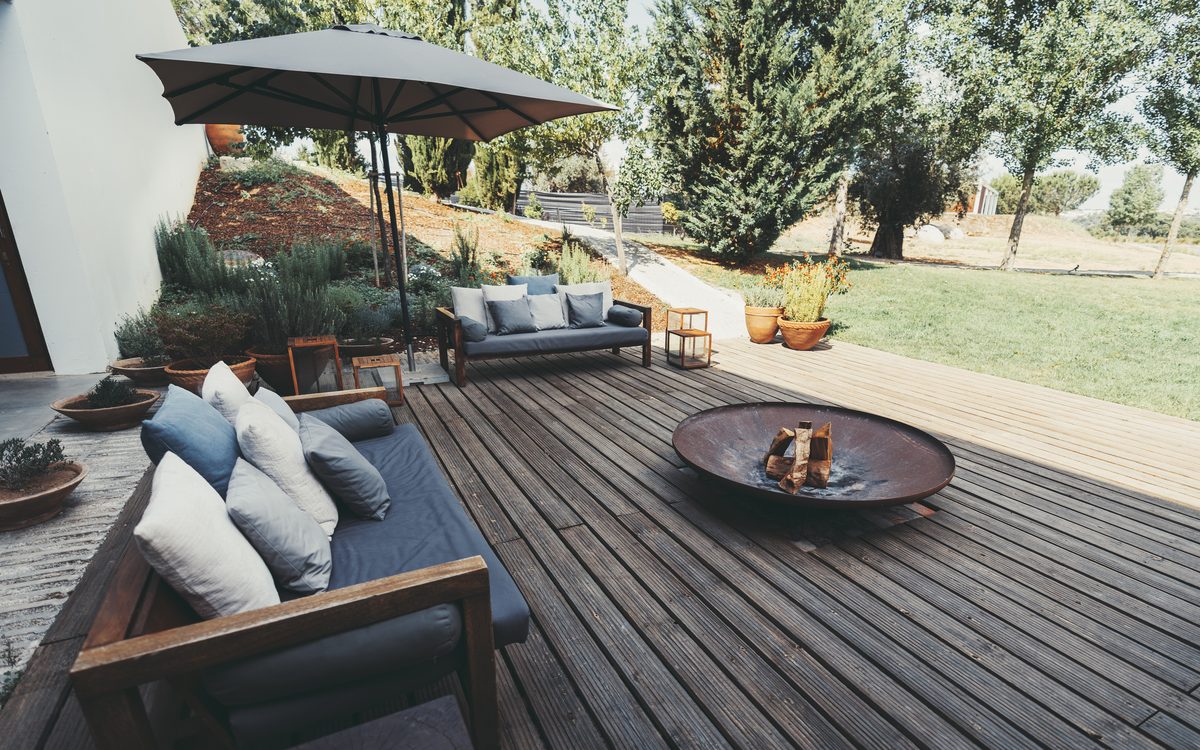 Lounge seating around a fire pit on a wooden deck
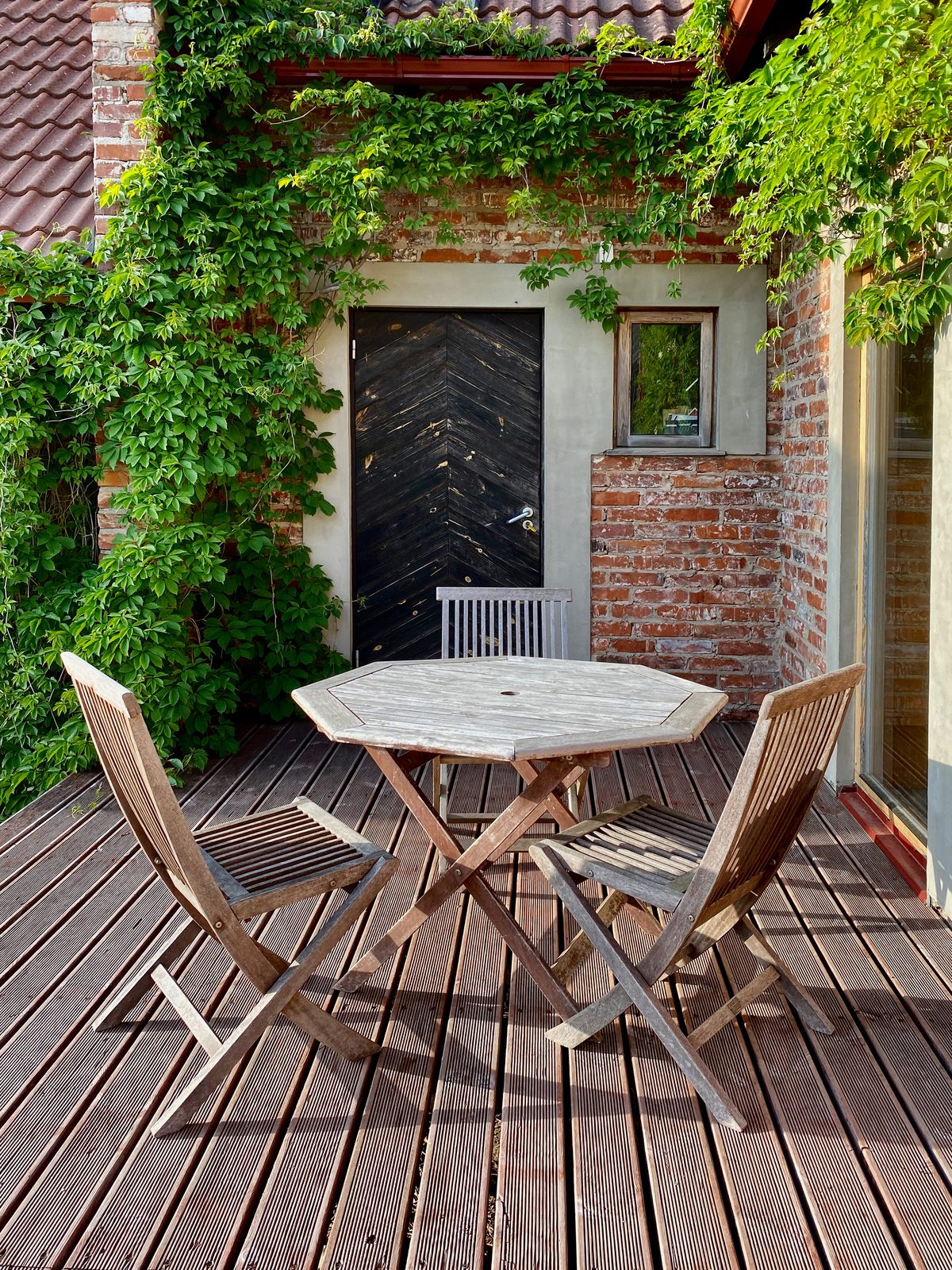 Wooden table and chairs on a paved patio beside planting
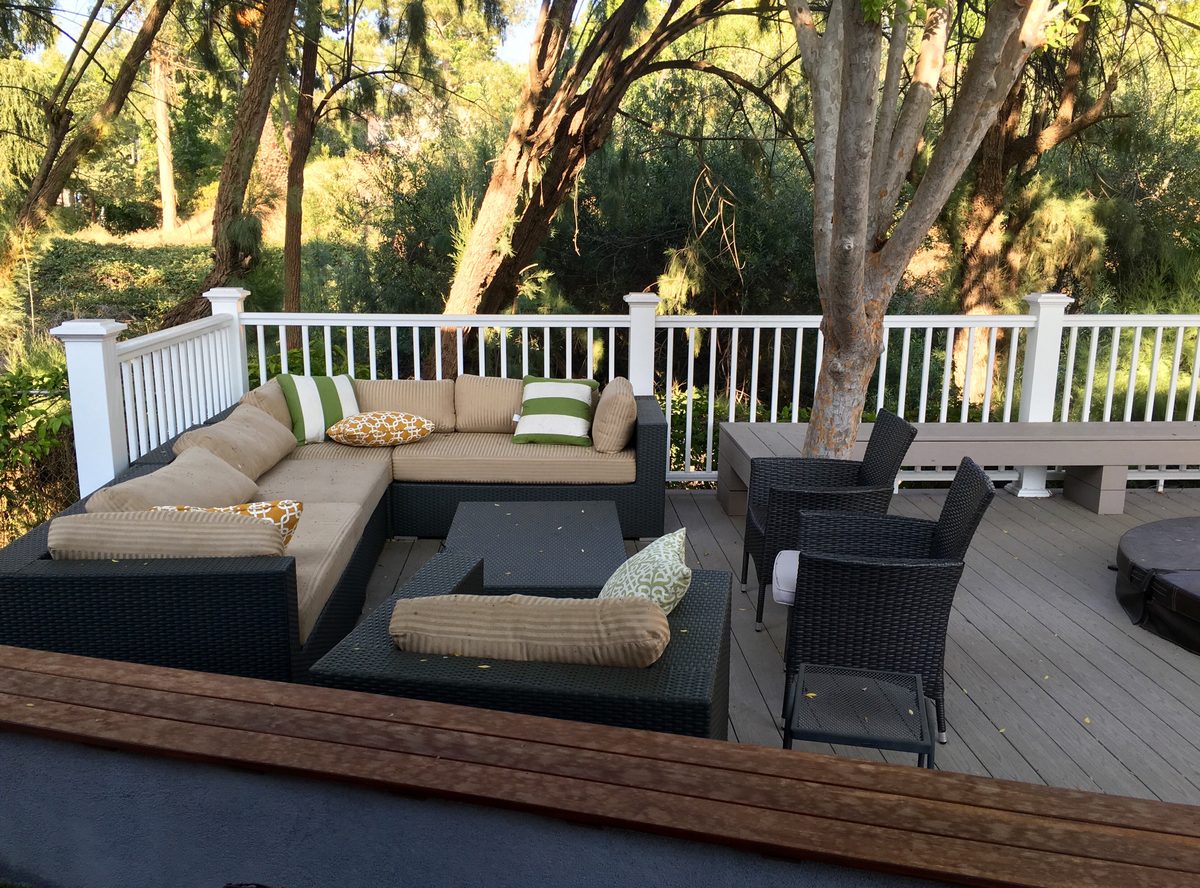 Wicker sofa and armchairs on a covered patio beside a green lawn
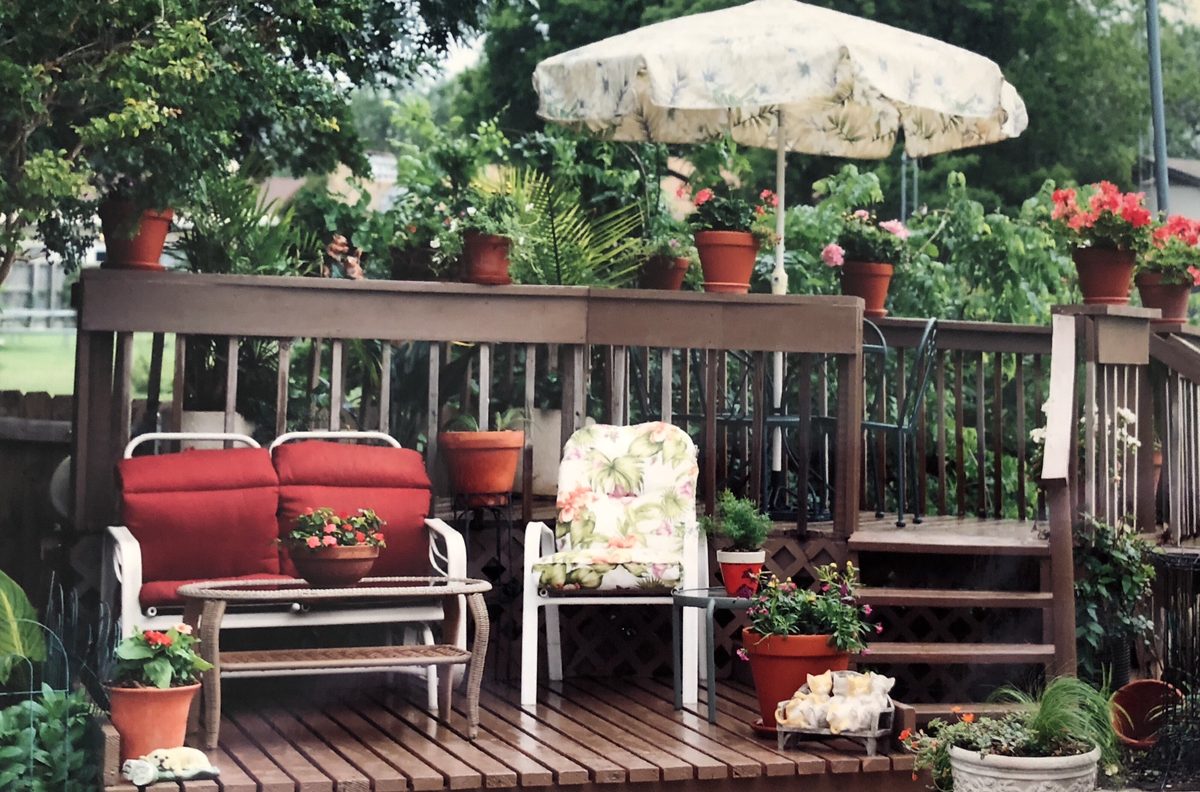 Timber deck with blooming flowers and potted plants along the railing
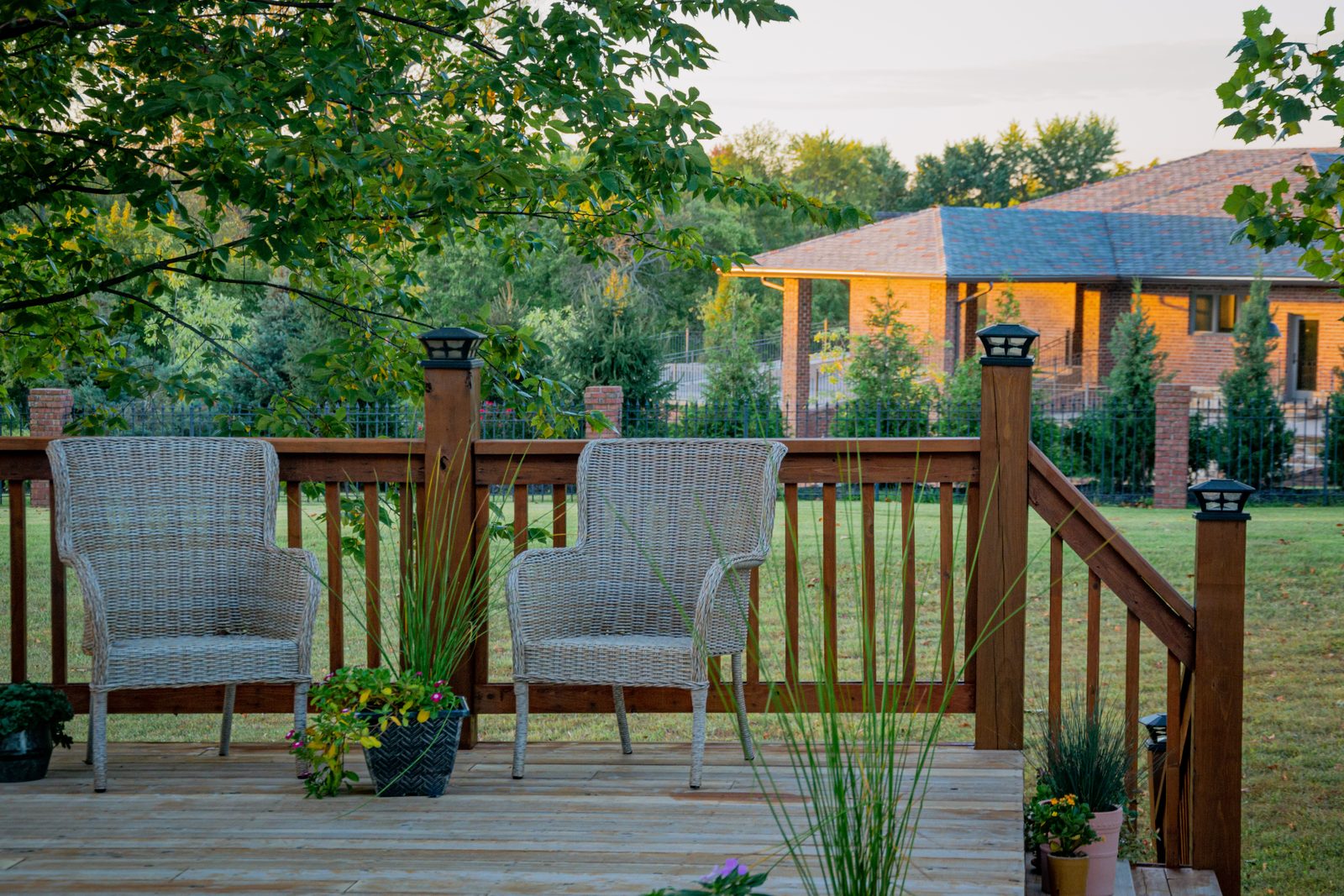
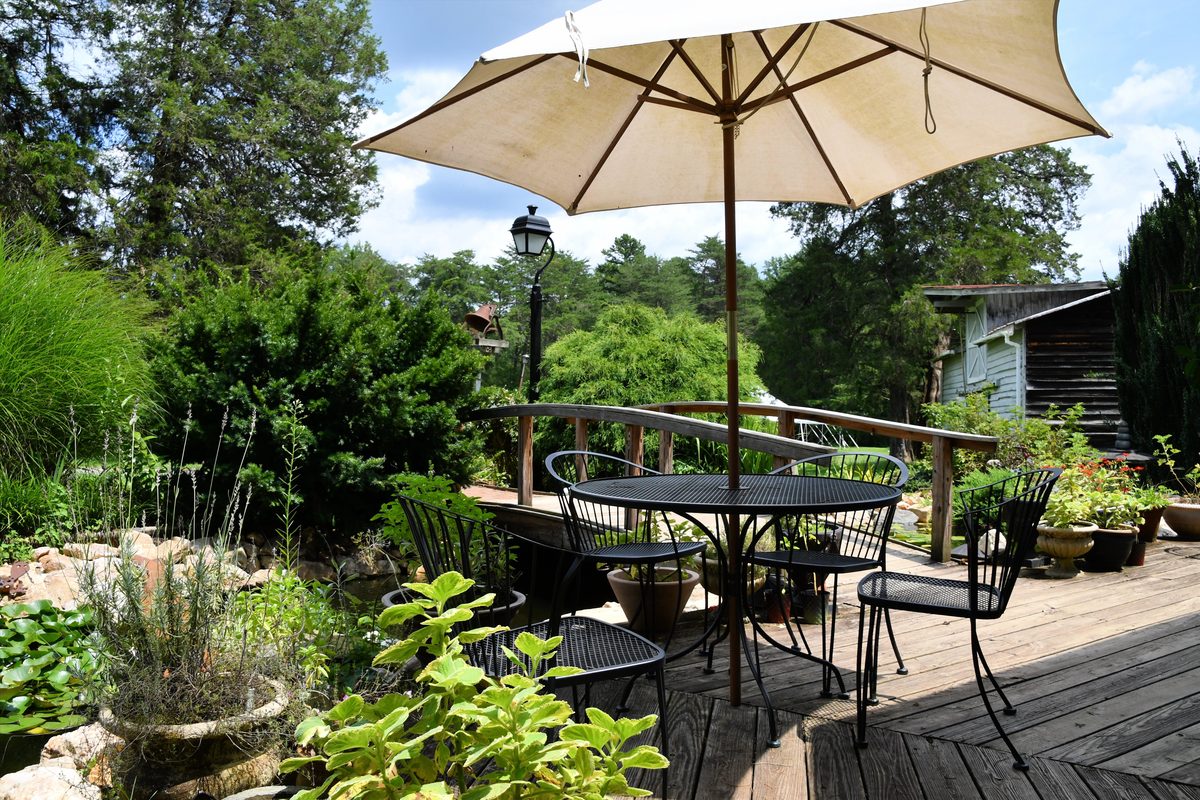 Outdoor table and chairs set out on a wood deck
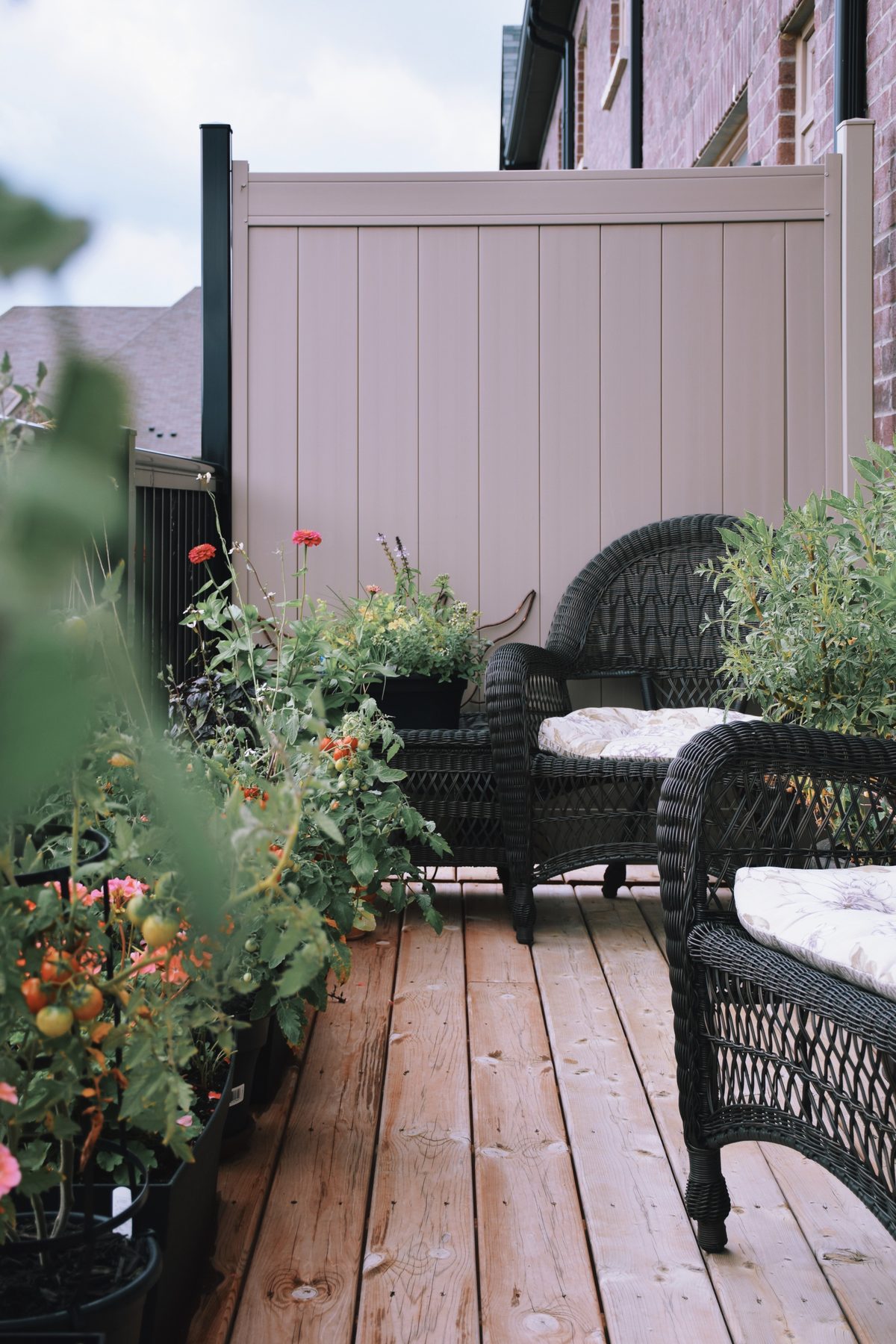 Cozy deck corner with chairs and dense potted planting
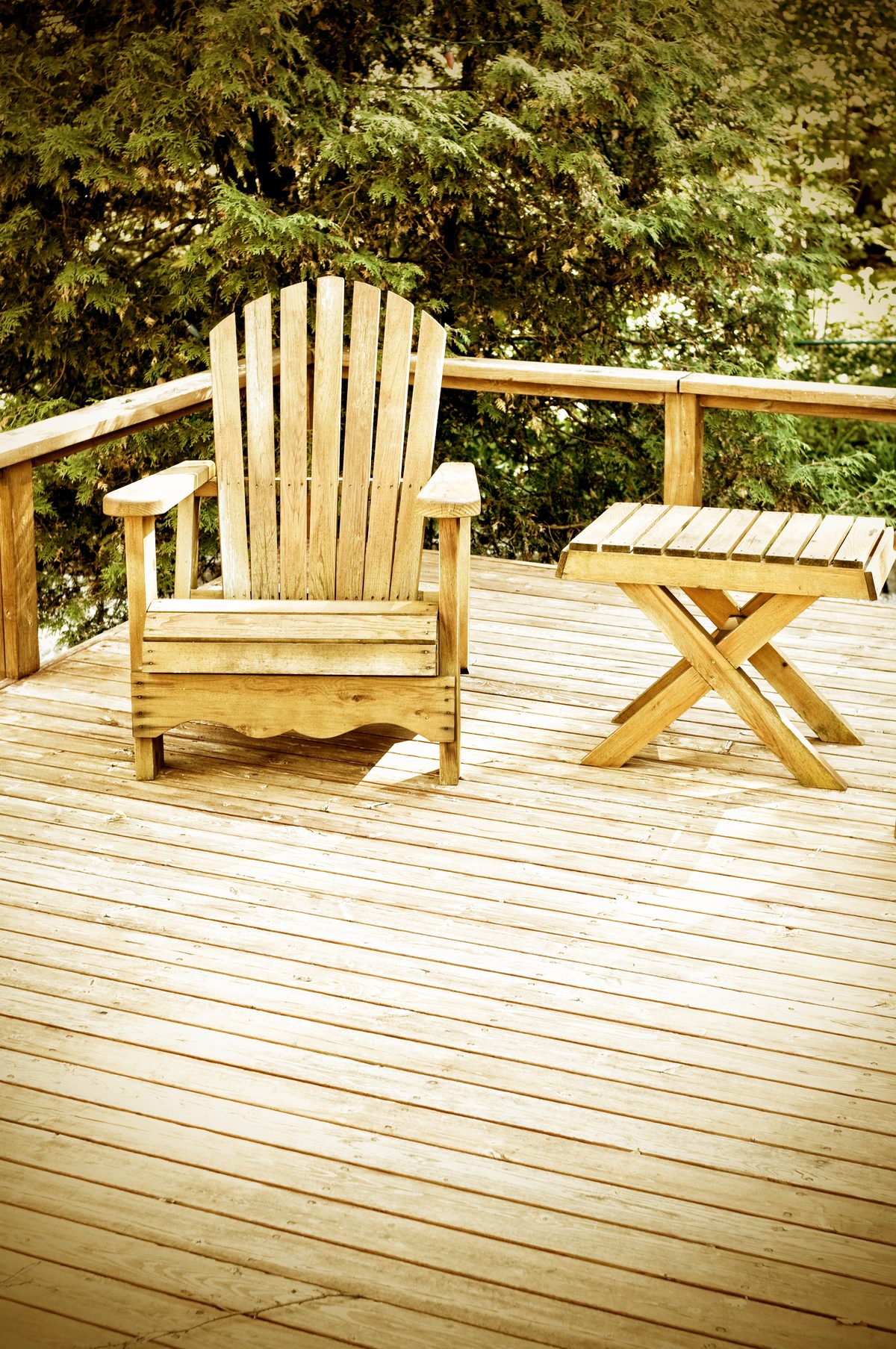 Adirondack chair and a side table on a timber deck
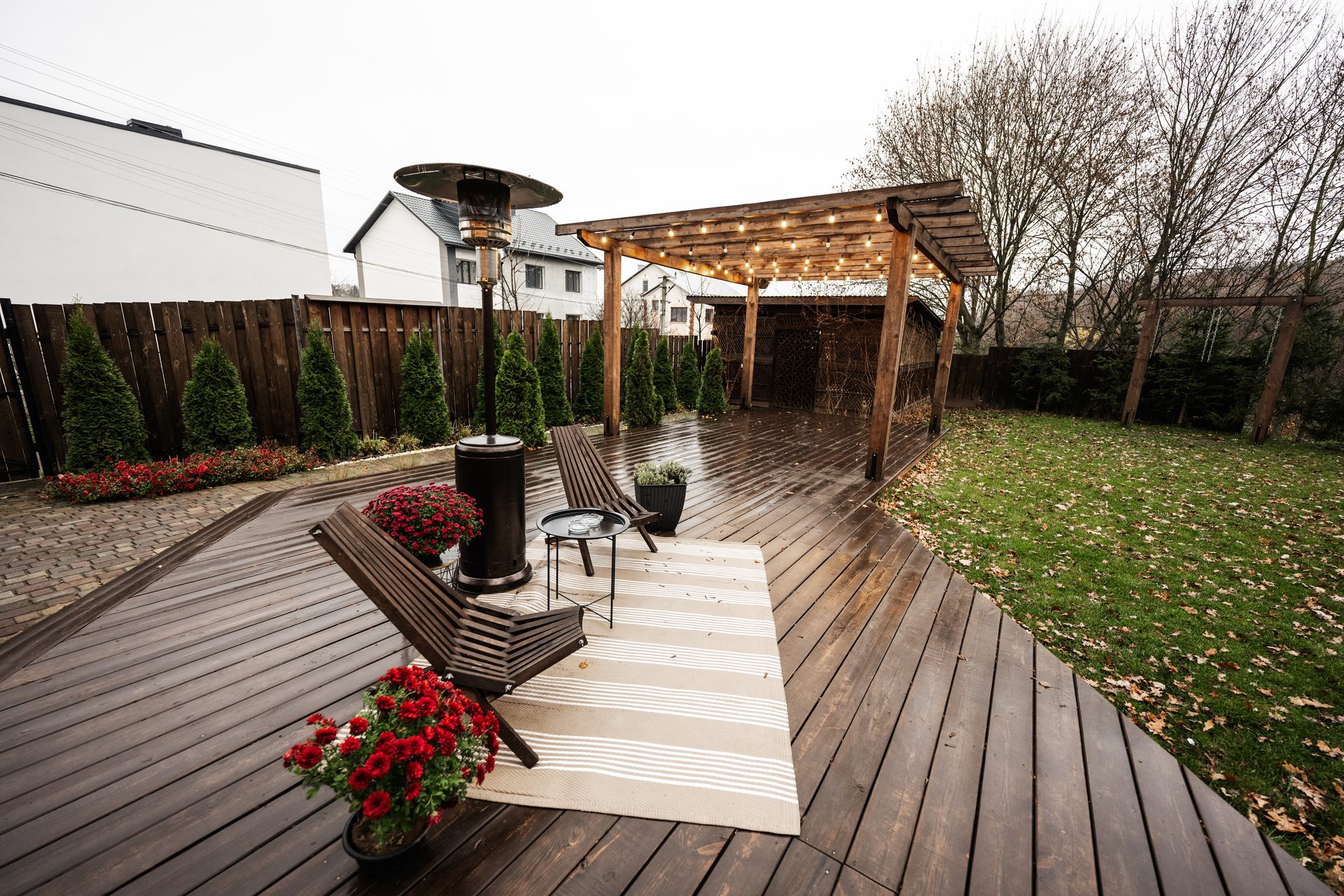 Covered deck with a patio heater, string lights and lounge chairs beside a lawn
About the Area
St. Rose is a census-designated place in St. Charles Parish with 7,504 residents at the 2020 census, about two miles from the Jefferson Parish line. River-bank ground, flat and low, which puts drainage at the front of every outdoor project here.
St. Rose is a census-designated place in St. Charles Parish with 7,504 residents at the 2020 census, about two miles from the Jefferson Parish line.
River-bank ground, flat and low, which puts drainage at the front of every outdoor project here.
Close enough to Kenner and Metairie that a crew working one can reach the other the same morning.
Around Town
The places people give directions from, and the ones they mention when they describe where they live. We name them because that is usually how a first consultation starts.
Built in 1792 and still standing, a survivor of an eighteenth-century sugar plantation.
The levee road along the east bank, and the oldest route through the community.
The neighbouring community and its plantation, a short drive up river.
The spillway and the open ground west of the community, which shapes a lot of local weather talk.
Nearby
The ones around it. Every community listed here sits inside the fourteen cities we serve, so a build on the boundary is no different from one in the middle.
Up river on the same bank, both in St. Charles Parish.
The other east-bank communities around St. Rose.
Two miles east and into Jefferson Parish, where much of our other work sits.
Fun Facts
None of it changes a deck, but it is the kind of thing that comes up on a first visit, and knowing where you are building is part of building well.
The LaBranche Plantation Dependency House is older than the state.
Palmer Elkins established a community for freedmen and their families in 1880.
7,504 at the 2020 census.
Close enough that most of our crews pass through it weekly.
Getting Around
It matters to us mainly because it tells us how a crew and a delivery will reach your street, and how long a site visit takes from our side.
St. Rose is served by St. Charles Parish rather than Jefferson Parish Transit, so local services are parish-run.
The east-bank road along the levee, and the local spine.
US-61 runs north of the community toward LaPlace and Kenner.
The link south across the river and out to I-10, and how most deliveries arrive.
Where We Build
All fourteen. We build across Greater New Orleans and the north shore, out to Hammond and Baton Rouge, and every service we offer is available in all of it.
Before You Call
The things St. Rose homeowners ask us most, before a first consultation.
Size, materials and what the ground needs first. On low river-bank lots the drainage work is usually what moves the figure, and we price it after a site visit rather than over the phone.
Because the fall was never built into the surface. Between the river on one side and the open ground west of the community on the other, water management here is decided lot by lot. Unless the levels move water off deliberately it will stand wherever the ground is lowest.
It depends on the levels. Ten feet above sea level on the east bank, on ground that was sugar plantation land before it was anything else. A deck solves ground that will not cooperate; a patio suits ground that can be prepared to drain.
The ones specified for constant damp. Composite asks less of you than wood year to year, and on this ground the fixings and the framing matter more than the surface.
Yes. Every neighbouring community named on this page sits inside the fourteen cities we serve, and every service we offer is available across the whole area.
Yes, and on low ground it is much cheaper together, because the base has to carry both and the services run under it.
It turns on how much groundwork the lot needs before anything is built, which on this ground is usually the long pole. We give you a schedule after the site assessment. Two miles from the Jefferson Parish line, so a St. Rose job sits inside the same working day as a Kenner one.
Yes. We hold Residential License # 890459 and Commercial License # 3667, and the same team designs and builds every project rather than handing it between two companies.
Next Step
We will tell you what is realistic on low ground before you spend anything. Small enough that a finished project is noticed, which is usually how the next one on the street starts. The consultation and the estimate both cost nothing.
Monday to Friday, 8:00 AM to 3:00 PM