

Outdoor Living Guide
Patio vs. Deck: Which Outdoor Space Suits Your Lifestyle in New Orleans, LA?
A patio sits on prepared ground and costs less; a deck is framed above it and copes with a lot that will not cooperate. Both are sound, for different ground.
A patio sits on prepared ground and costs less, which suits a level lot that drains. A deck is framed above the ground, which suits a sloping or wet lot and buys a level surface where there is none. In New Orleans the ground usually makes the decision before lifestyle does, because a flat lot with a high water table rules out some patio details entirely.
A patio sits on prepared ground and costs less; a deck is framed above it and copes with a lot that will not cooperate. Both are sound, for different ground.
At TurnKey Outdoor Designs, we find the lot usually decides before lifestyle does. Levels and drainage narrow the choice before anyone talks about how they want to use the space.
Cost follows from that rather than leading it. Contact us today to have your ground assessed.
What Is the Difference Between a Patio and a Deck in New Orleans?
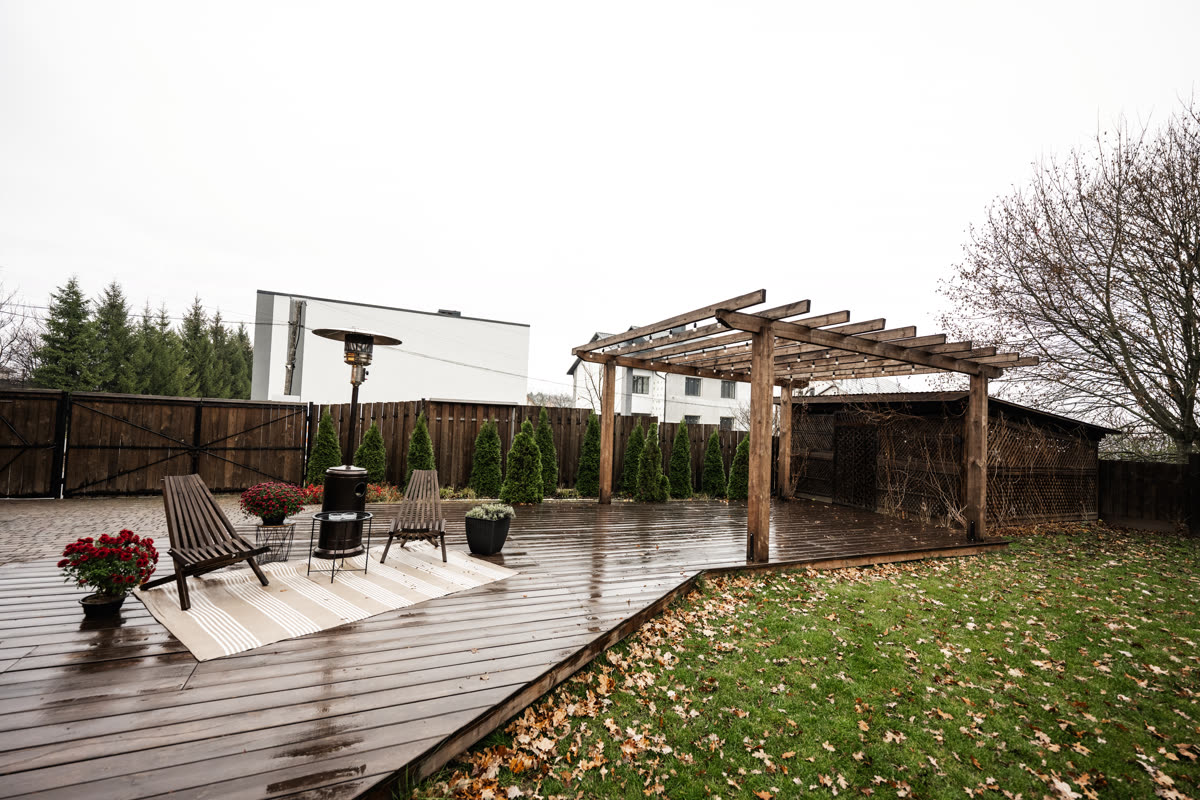
Adding an outdoor space is a wonderful way to expand your home’s functionality. Patios and decks each offer distinct features that cater to different needs. Patios, built directly on the ground, blend effortlessly with gardens or yards. Typically made of stone, concrete, or brick, they are long-lasting and require minimal upkeep.
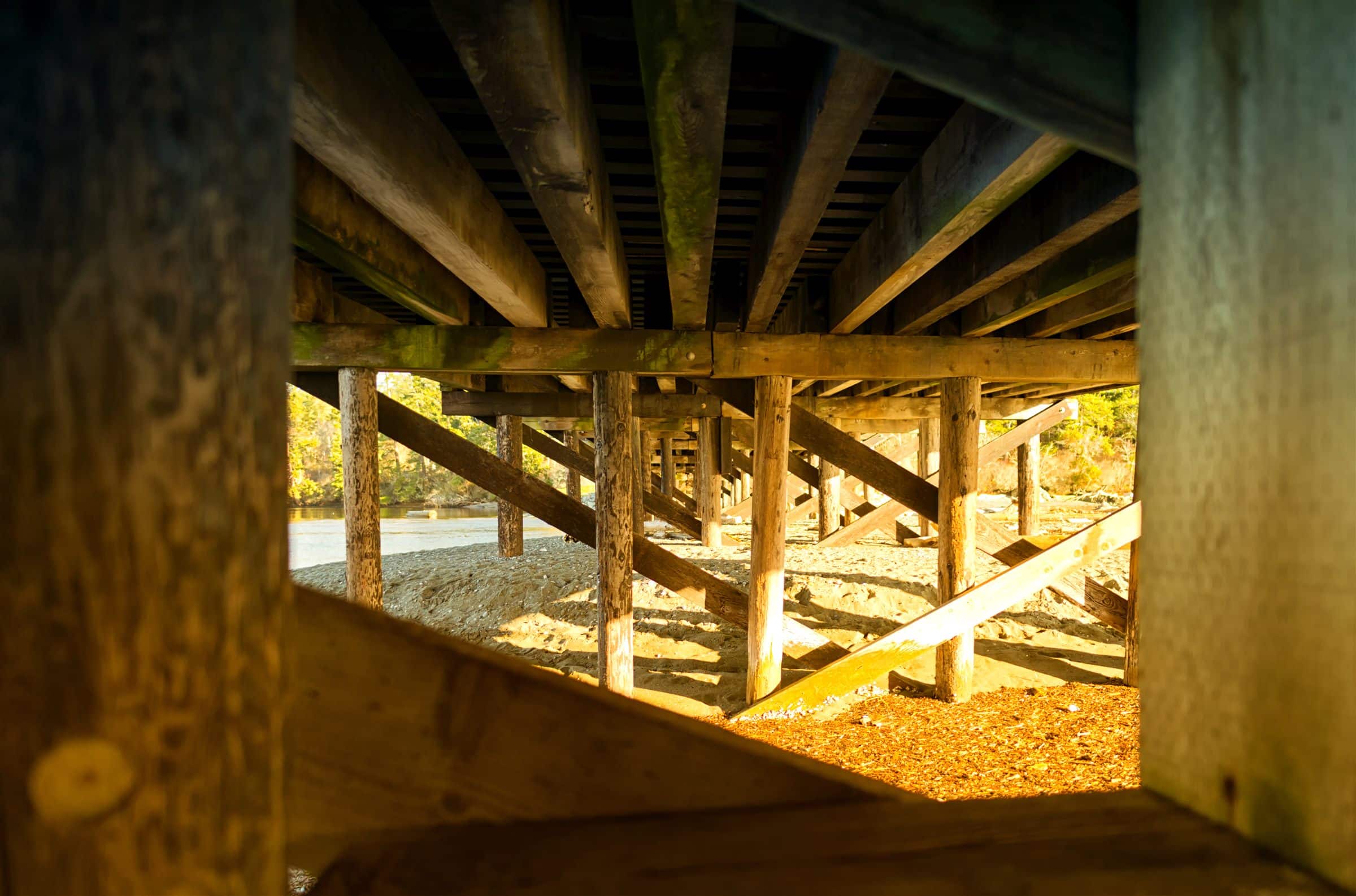
Decks, on the other hand, are elevated structures that provide better views and work well in uneven or sloped areas. Made from wood or composite materials, decks offer a wide range of design possibilities, such as multi-level layouts and built-in seating. However, they require regular maintenance to remain in good condition.
How Do Patios and Decks Compare in New Orleans, LA?
What Are the Benefits of a Deck in New Orleans, LA?
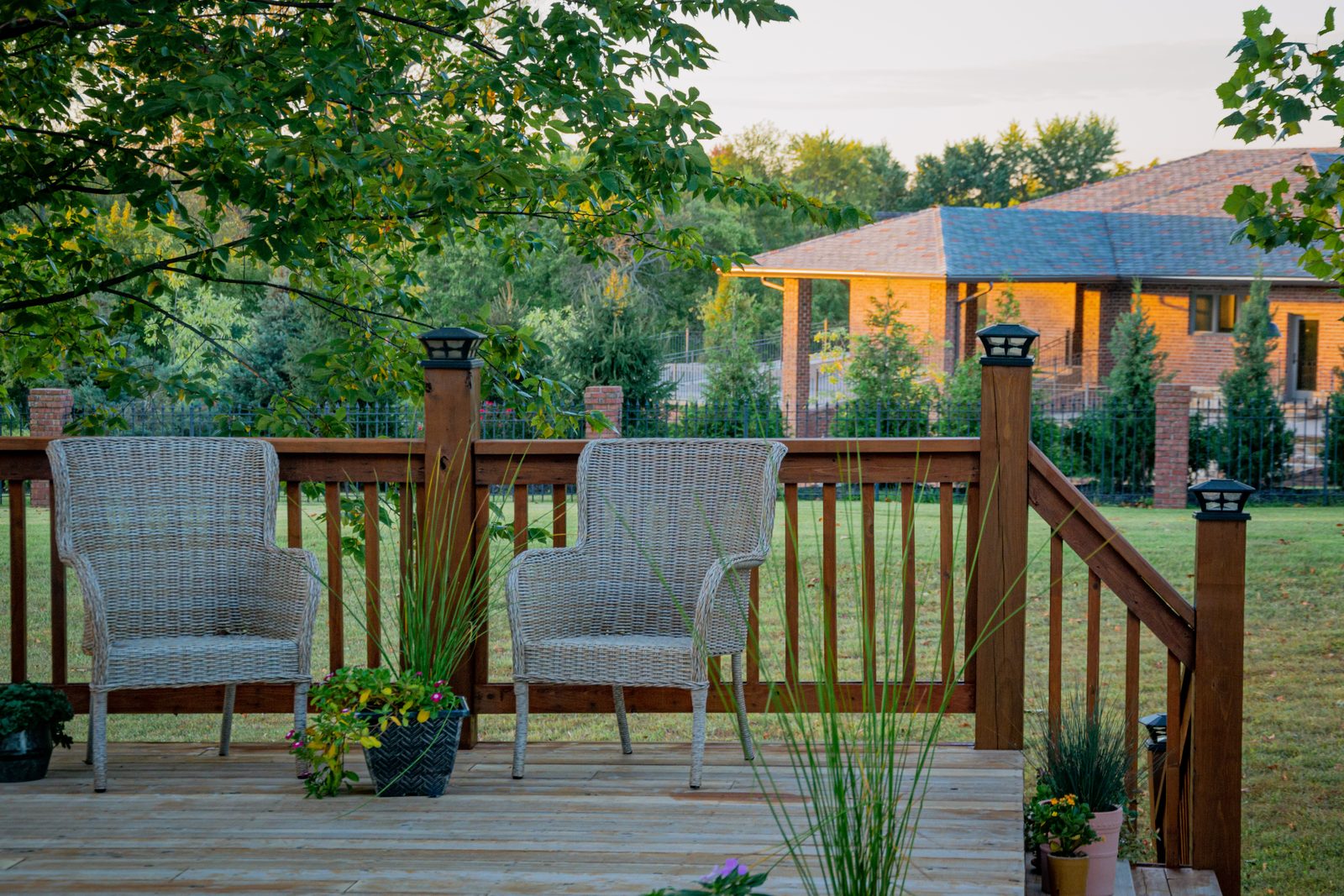
Decks are a great choice for those who want elevated views or need a functional solution for uneven ground. The design flexibility of decks allows you to incorporate features such as railings, stairs, built-in lighting, and custom furniture layouts. They are perfect for outdoor gatherings, offering ample space for seating, dining, or simply enjoying the scenery.
Composite decking materials are particularly appealing for their durability and resistance to weather damage. These materials often come with extended warranties, providing peace of mind for homeowners. Additionally, composite surfaces stay cool in direct sunlight, making them ideal for hot climates.
Drawbacks of Decks
Despite their advantages, decks come with a few challenges. Wooden decks require regular maintenance, such as cleaning, staining, and sealing, to protect against rot and warping. These tasks can be time-consuming and add to the overall cost of ownership. Raised decks may also pose safety concerns for families with young children, making features like railings or gates essential.
Local building codes and permits can further complicate the installation process. Depending on your location, you may need to meet specific structural requirements, which can increase costs and extend the timeline for construction.
What Are the Benefits of a Patio in New Orleans, LA?
Patios are a practical choice for homeowners seeking a budget-friendly outdoor space. They blend naturally with gardens and yards, creating a harmonious extension of your home. Materials like concrete and stone are durable and easy to clean, requiring minimal effort to maintain.
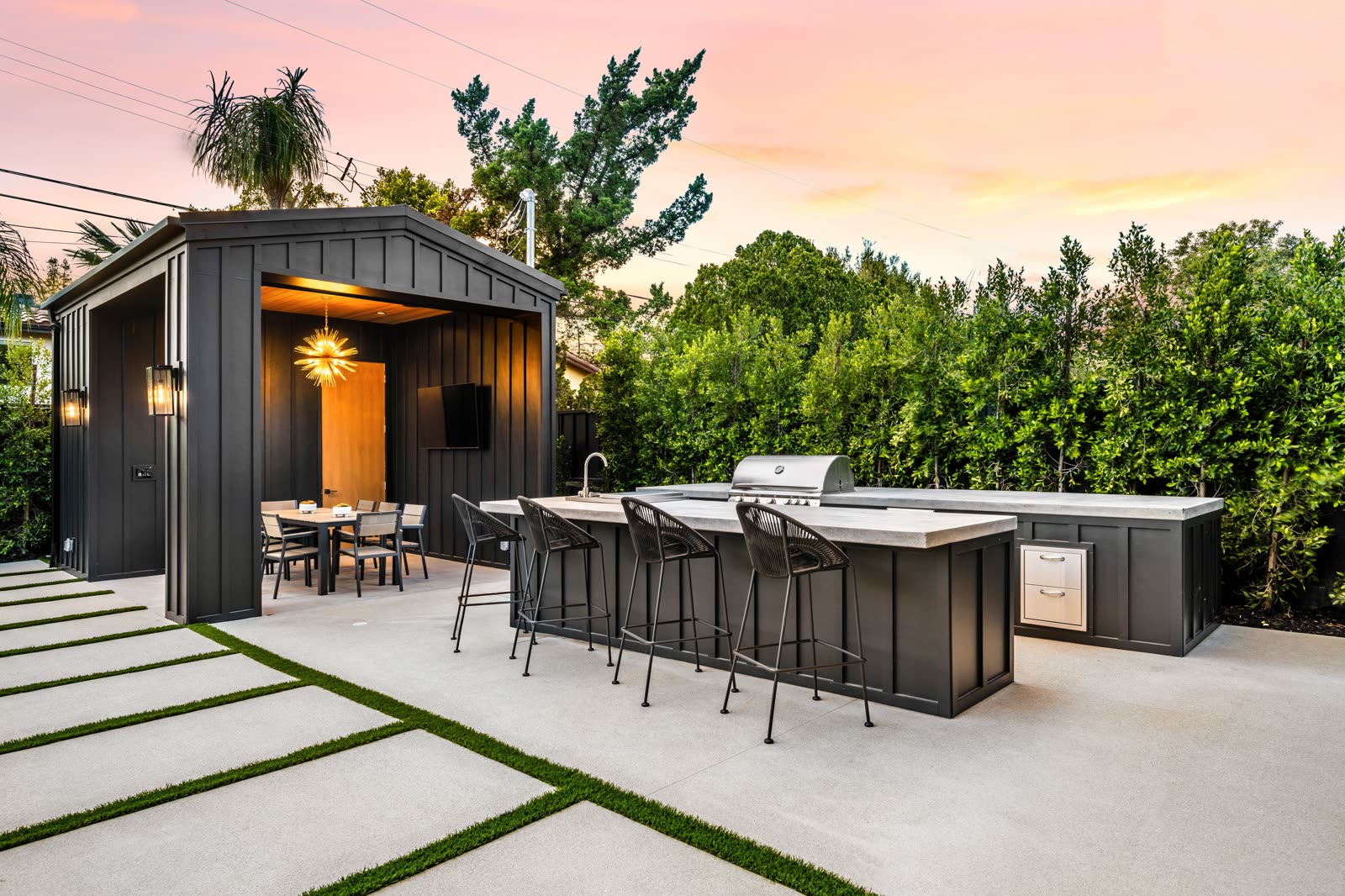
Patios are particularly suited for outdoor dining or relaxed gatherings. Textured surfaces can prevent the area from becoming too hot, even during extreme weather, making patios comfortable year-round. Their affordability also makes them an accessible option for many homeowners.
Drawbacks of Patios
While patios are low-maintenance, they are limited to ground-level construction, which means they do not offer the elevated views that decks provide. Extreme weather conditions, such as freezing and thawing cycles, can cause materials like concrete to crack over time. While repairs are relatively simple, they can still be an inconvenience.
Additionally, patios have fewer customization options compared to decks. Although they can be enhanced with features like garden borders, fire pits, or built-in seating, they may not offer the same level of design flexibility.
How Do These Outdoor Living Options Compare in New Orleans?
Straight from the guide above, laid out side by side.
| Feature | Patios | Decks |
|---|---|---|
| Durability | More durable, low-maintenance | Requires regular upkeep, especially for wood |
| Maintenance Cost | Lower (e.g., reseal concrete every 3-5 years) | Higher (annual cleaning, bi-annual staining/sealing) |
| ROI | Around 55% | Typically higher than patios |
| Installation Cost | $5 to $24 per sq. ft., depending on materials | About $12,600 for a 320 sq. ft. composite deck |
| Customization | Limited design options | Highly customizable (e.g., multi-level, built-in seating) |
| Safety | Ground-level; safer for families | Safety concerns with raised designs |
| Weather Impact | May crack in extreme weather | Less impact with proper maintenance |
| Comfort | Cool surface options available | PVC decking provides cool-to-touch features |
What Should Decide Between Them on a New Orleans Lot?
When deciding between a patio and a deck, there are several practical aspects to evaluate. From climate suitability to your budget and design preferences, these factors can help you determine the best fit for your outdoor space.
What Do Patios and Decks Cost in New Orleans, LA?
Patios are generally more affordable to install, with average costs ranging from $5 to $24 per square foot. A 12×18-foot concrete patio might cost around $5,400. Decks, on the other hand, typically cost more, with a 320-square-foot composite deck averaging $12,600.
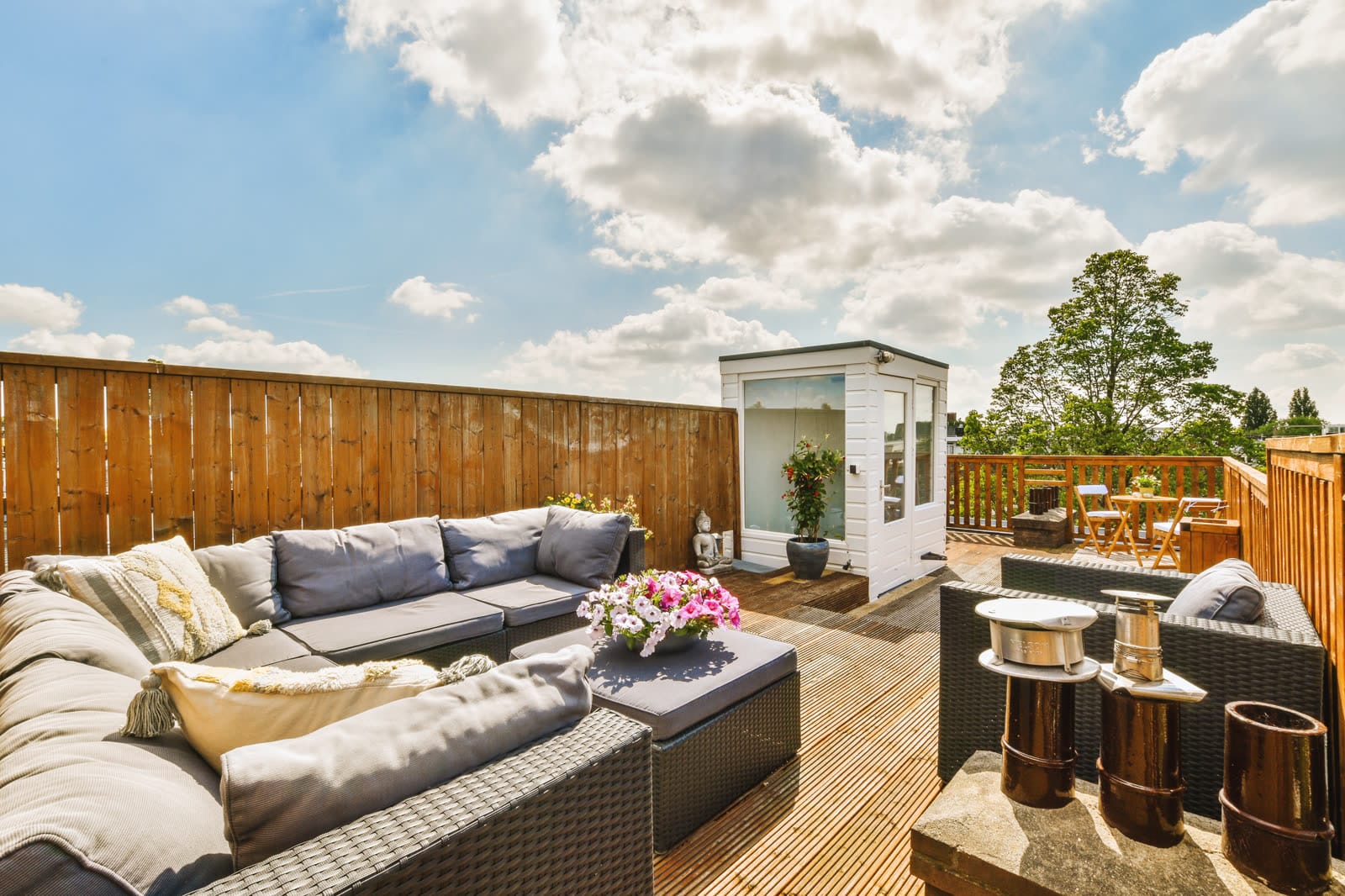
Patios require minimal upkeep, making them a cost-effective choice in the long run. Decks, while offering higher resale value, have ongoing maintenance expenses. Your decision will ultimately depend on your budget and long-term plans for the space.
Choose the One Your Ground Allows
Ground and levels narrow this choice before preference gets a say, and that is usually good news because it makes the decision simple. Cost follows the ground.
At TurnKey Outdoor Designs, we walk the lot before we recommend either. Call us today to book a visit.
Keep Reading
What Should You Read Next in New Orleans?
Three more guides on the same ground, chosen because they answer the question this one usually raises.

Next Step
Turn This Guide Into a Plan for Your Own Yard
A short call, then a free site visit and a written figure built from what is actually in your yard. Nothing is owed afterwards.
Monday to Friday, 8:00 AM to 3:00 PM