
Outdoor Living Guide
What Is the Best Thing to Put Under a Deck in New Orleans, LA?
The best thing to put under a deck in New Orleans is prepared ground that drains. The footprint is cleared of stumps and wood debris, graded away from the house, and usually covered with a weed barrier and grav
The best thing to put under a deck in New Orleans is prepared ground that drains: the footprint cleared of stumps and wood debris, graded so water runs away from the house, and usually covered with a weed barrier and gravel. Before any of that, the utilities have to be located, because a deck footing is dug into exactly the depth where service lines run.
The best thing to put under a deck in New Orleans is prepared ground that drains. The footprint is cleared of stumps and wood debris, graded away from the house, and usually covered with a weed barrier and gravel.
At TurnKey Outdoor Designs, we find the build that runs late is almost never the one with a complicated design. It is the one where the yard was not ready.
Everything under a deck is easier to get right before the frame goes over it. Contact us today to have the footprint assessed before the build is booked.
Why Locate Utilities Before Digging a Deck in New Orleans?
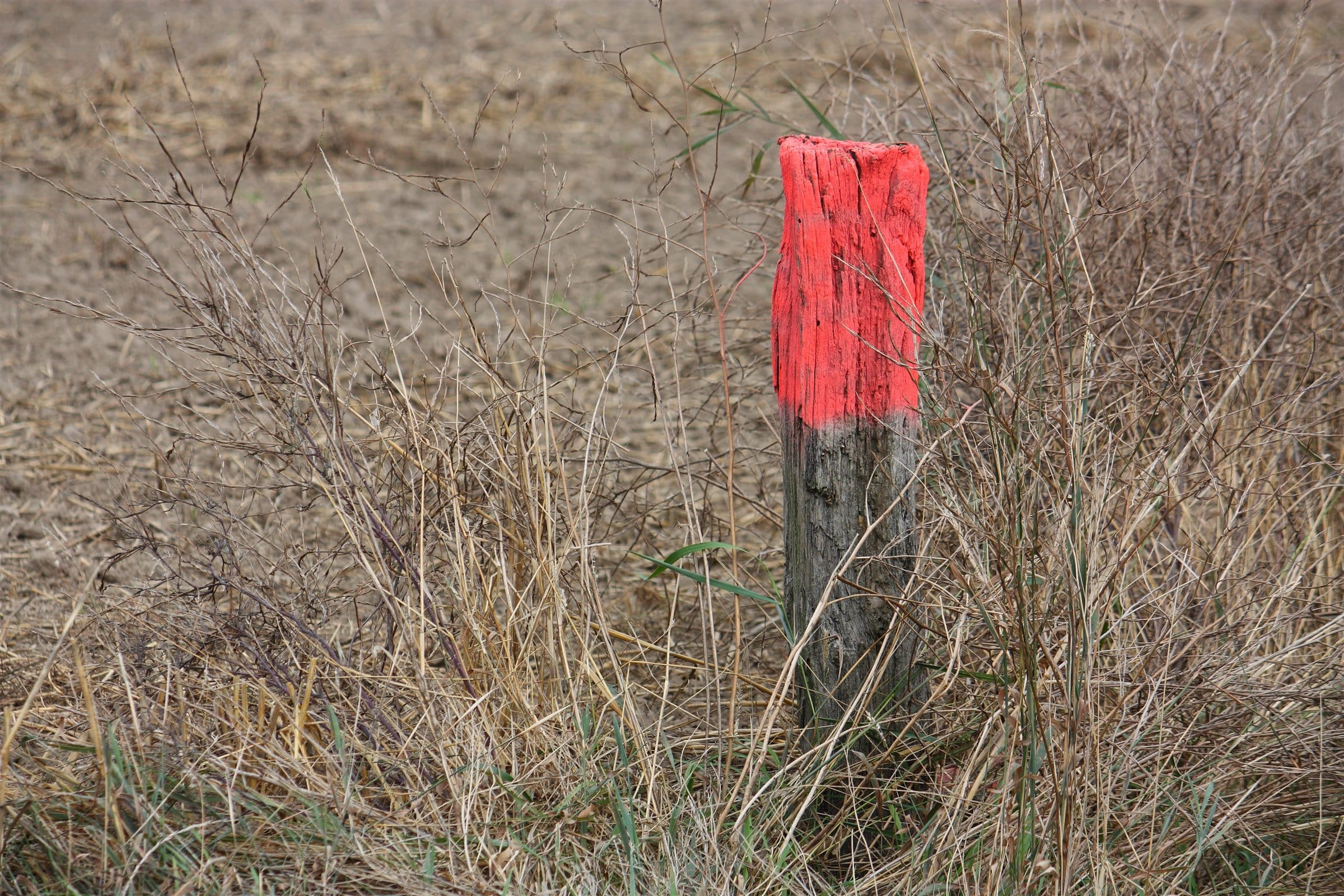
Calling 811 before digging is free, it is the law in Louisiana, and the locate marks the public utility lines running across the property.
Louisiana requires the request at least two full business days before work begins, so it gets made well before the crew is booked instead of the morning of. The marks are also good for a limited window, up to 20 calendar days and only while they stay visible, which matters if the schedule slips.
The critical gap is that a public locate covers public utilities. It does not cover private lines, and those are the ones that get hit.
What Checks Come Before Clearing a Deck Site in New Orleans?
Four things get confirmed before anything is cut down or dug up, and all four are cheaper now than later.
Private Lines Nobody Marks
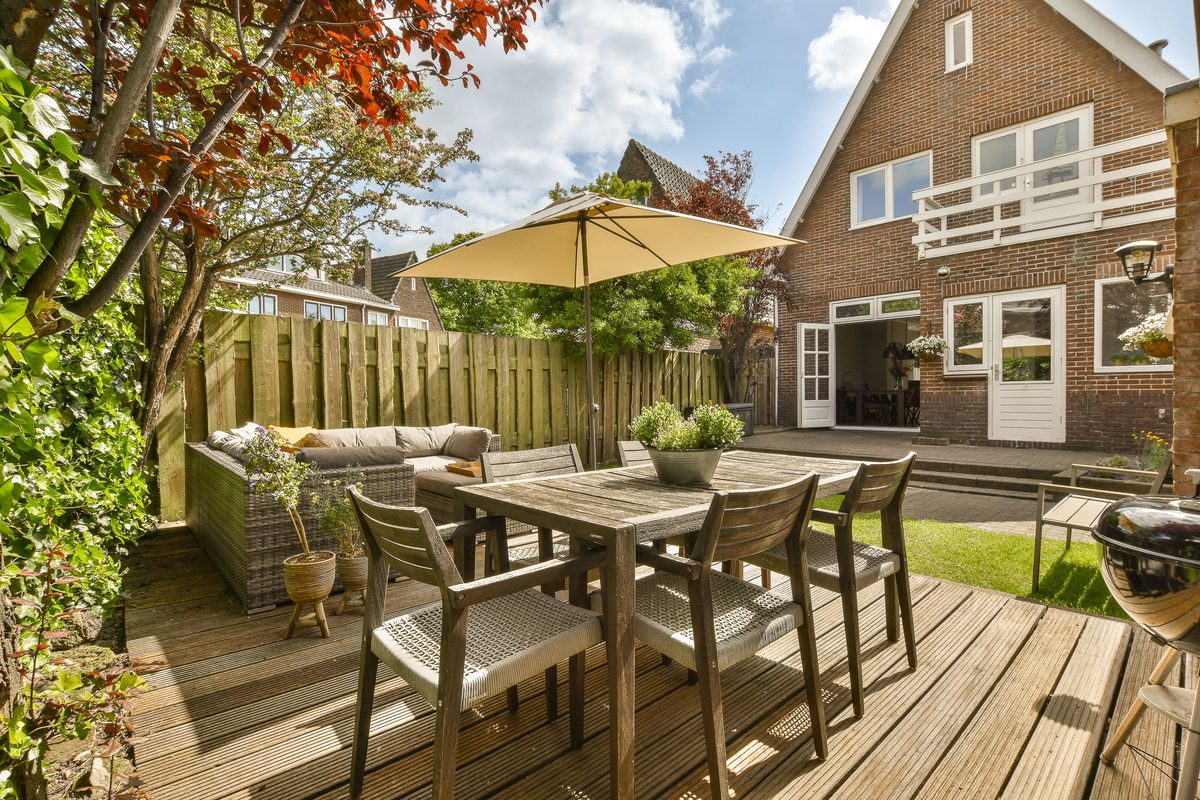
Irrigation piping, landscape lighting cable, a gas line running to a grill or a generator, pool equipment lines, a septic system, and any low-voltage cable are all private and are not covered by the public locate.
You are the only person who knows they exist, so the time to say so is before the crew arrives. A sketch of roughly where they run is more useful than a perfect memory that stays in your head.
Where nobody knows, a private locating service can find them. That cost is far lower than repairing a cut irrigation main under a finished patio.
Property Lines, Setbacks, and Easements
A deck or patio near a boundary needs that boundary known, not assumed, and fence lines are frequently not the legal line. A survey settles it, and it costs far less than moving finished work.
Setback requirements and any recorded easement affect where a structure may sit, and an easement in particular can prohibit building over it entirely. Both are worth confirming before a design is finalized, because they can change the footprint and not just the finish.
This is also the moment to have the conversation with a neighbor if the build sits near a shared line. It is a much easier conversation before the posts are in.
Permits and Any Historic Review
Decks and patios can require a permit depending on their size, height, and whether they attach to the house. Confirm the requirement with the City of New Orleans Department of Safety and Permits instead of assuming from what a neighbor did.
Properties inside a local historic district carry additional review, which affects the schedule as well as the design. That review runs on its own timeline and does not compress to suit a build date.
Getting this settled early is the difference between a build that starts on time and one that waits. Our patios service confirms the permitting position before scheduling anything.
Trees, Roots, and What Stays
Any significant tree near the footprint needs a decision made before clearing, not during it. Cutting major roots to make room for a footing can destabilize a tree that then becomes a liability.
Where a mature tree is staying, its root zone needs protecting from machine traffic and material storage, not just from digging. Compaction under a canopy does damage that shows up a year later, long after the crew has gone.
Anything genuinely significant is worth an arborist’s opinion before the design is fixed. Working around a tree is usually cheaper than losing it.
What Ground Belongs Under a Deck in New Orleans, LA?
The best thing under a deck is ground that sheds water and stays clear. Clear stumps and wood debris, grade the footprint so water runs away from the house, and keep untreated wood off the soil. A weed barrier and gravel on top is the usual finish.
Watch Where the Water Goes Now
The single most useful piece of preparation costs nothing: stand outside during a decent rain and watch. Note where water pools, where it runs, and how long it takes to clear.
A flat lot on heavy soil, which describes a great deal of this city, drains slowly at the best of times. A new patio changes where the water goes, and it needs to go somewhere deliberate.
Take photographs while it is wet, and note the date on them. Describing a low spot to a builder in dry weather is considerably less convincing than showing them standing water in your own back yard.
Grade Away From the House
Finished grade around a structure should fall away from it so water is shed instead of held against the foundation.
A patio that slopes back toward the house, even slightly, will send water where it is least wanted. Getting this right during preparation is straightforward, and correcting it afterward means lifting finished surface.
Where the yard cannot be graded to shed water, subsurface drainage becomes part of the design instead of an addition to it. Planning the lines and the outlet now costs a conversation, while adding them later costs the patio.
Expect the Footings to Go Deeper Here
Soft and organic soils are common across this area, which means footings for a deck or a structure frequently need to go deeper than people expect to reach bearing. That is a cost item and a schedule item, and it is better priced before the build than during it.
Depth also means spoil. A deeper footing produces more material to remove, and somewhere has to be found for it before the day.
A high water table can put water in an open hole, which changes how footings are placed. None of this is unusual here, and our outdoor home decks service plans for it before a date is set.
How Do These Outdoor Living Options Compare in New Orleans?
Straight from the guide above, laid out side by side.
| Step | What It Involves | Why It Comes First |
|---|---|---|
| Watch the yard in rain | Note where water collects and where it leaves | A build can block the path water already uses |
| Clear the footprint | Vegetation, old slab, stumps, and debris out | You cannot grade what you cannot see |
| Establish the fall | Grade so water runs away from the house | Correcting it after the build is far harder |
| Deal with low spots | Fill, regrade, or route them deliberately | A patio over a low spot becomes a pond |
| Plan any subsurface drainage | Lines and outlets designed before the build | Retrofitting means opening finished work |
How Does Site Access Affect a Deck Build in New Orleans?
Everything that goes into the yard has to physically get there, and in a city of narrow lots and side passages that is a genuine constraint and not a detail.
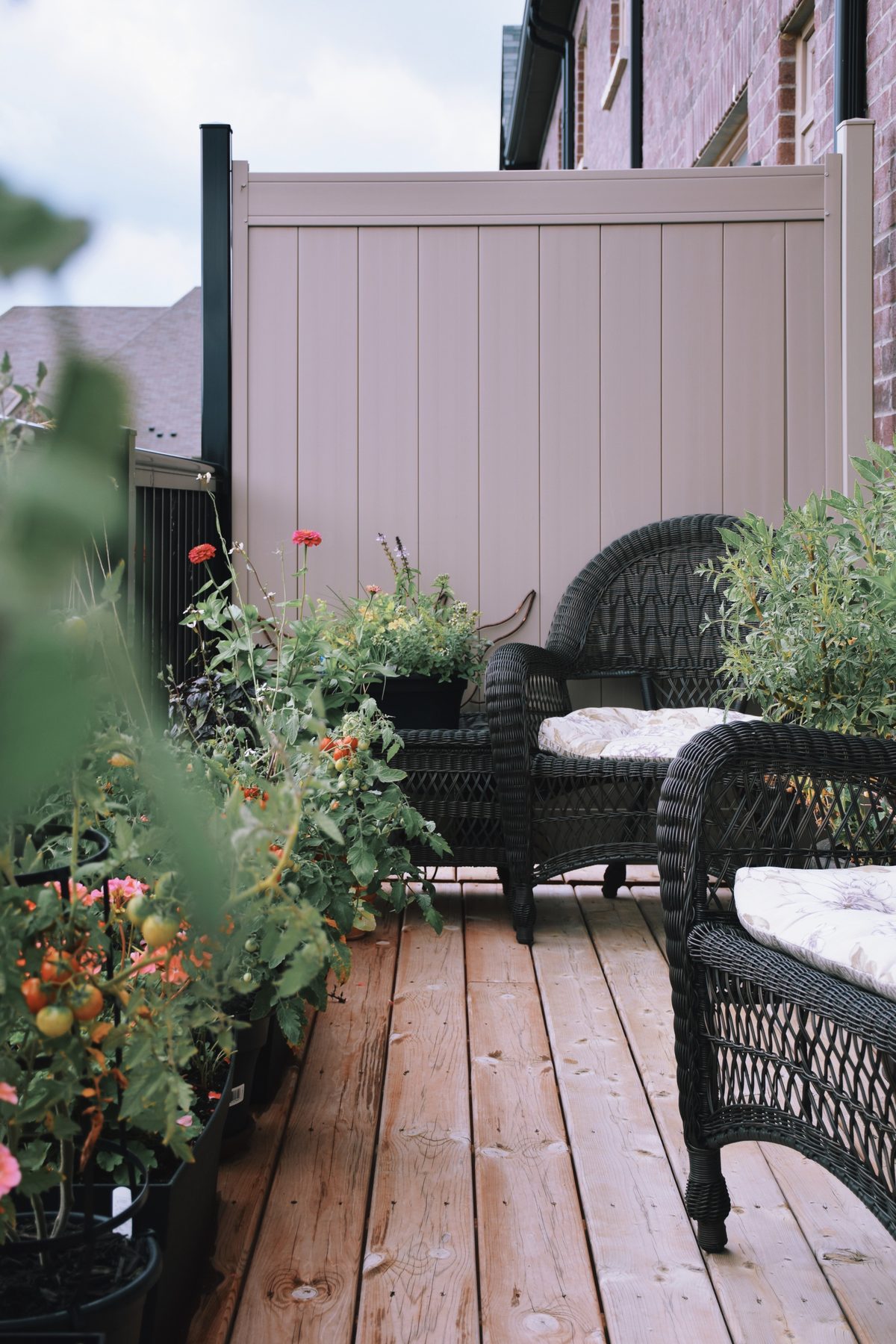
Measure the gate, the narrowest point of the side passage, and any turn tight enough to stop a wheelbarrow or a machine. Check overhead for wires and low branches along the route.
Decide where material will be staged and where debris will accumulate, and protect the route with boards if it crosses lawn or paving you care about.
Then protect what stays. Flag irrigation heads and landscape lighting so they are visible, keep traffic off tree root zones, and box out the air conditioning condenser if it sits anywhere near the route.
Prepare the Yard, Then Build the Deck
What goes under a deck decides how the deck ages far more than the boards on top of it do. Prepared, drained ground is the whole of the answer.
At TurnKey Outdoor Designs, we get the ground right before the first board is cut. Call us today to have your footprint walked and assessed.
Frequently Asked Questions About This Guide
The ones that come up most often once people start planning.
Do I need to call 811 before building a deck?
Yes. Calling 811 before digging is free, it is the law in Louisiana, and it marks public utility lines. Louisiana requires the request at least two full business days before work begins, and the marks are good for up to 20 calendar days and only while they stay visible.
Does 811 mark irrigation and landscape lighting?
No, a public locate covers public utilities only. Irrigation piping, landscape lighting cable, gas to a grill or generator, pool equipment lines, and septic systems are private and unmarked, which is exactly why they get hit. Tell the crew where they run, or hire a private locating service.
Do I need a permit for a deck or patio in New Orleans?
It depends on the size, the height, and whether the structure attaches to the house, so confirm the requirement with the Department of Safety and Permits rather than assuming from a neighbor’s project. Historic district properties carry additional review on their own timeline.
How should a yard be graded before a patio?
So that water is shed away from the house rather than held against it, with low spots either filled or deliberately routed. Watching where water actually goes during a rain, and photographing it, is the most useful preparation available and it costs nothing.
Why do deck footings go deeper in New Orleans?
Soft and organic soils are common across the area, so footings frequently have to go deeper to reach adequate bearing. A high water table can also put water in an open hole. Both are normal here and both are better anticipated than discovered.
Can you put a deck directly on the ground?
A low deck can sit close to the ground, but its framing should not rest on bare soil. It still needs proper supports, ground that drains, and airflow underneath, and any wood that cannot avoid soil contact should be pressure treated for ground contact, which matters more on wet New Orleans soil.
Should I remove trees before a deck build?
Not without a decision made in advance. Cutting major roots to make room for a footing can destabilize a tree that then becomes a liability, and anything significant is worth an arborist’s opinion. Where a tree stays, protect its root zone from machine traffic and storage.
Can I lay decking directly on soil?
No. Boards laid straight on soil stay wet underneath, trap debris, and give decay fungi the constant moisture they need. Decking needs a frame on proper supports that lifts it clear of the ground, so water drains through the gaps and air can dry the underside between rains.
Keep Reading
What Should You Read Next in New Orleans?
Three more guides on the same ground, chosen because they answer the question this one usually raises.


Next Step
Turn This Guide Into a Plan for Your Own Yard
A short call, then a free site visit and a written figure built from what is actually in your yard. Nothing is owed afterwards.
Monday to Friday, 8:00 AM to 3:00 PM