

Outdoor Living Guide
Top 5 Mistakes to Avoid in Outdoor Design in New Orleans, LA
A good outdoor space is mostly a matter of avoiding a handful of expensive mistakes. Climate, planning, crowding, lighting and maintenance account for most of them.
The five mistakes that cost New Orleans homeowners most are designing without regard for the climate, building without a plan, crowding the space, skimping on lighting, and forgetting what the finished space will ask for in upkeep. Every one of them is decided before anything is built, which is why they are expensive to discover afterwards.
A good outdoor space is mostly a matter of avoiding a handful of expensive mistakes. Climate, planning, crowding, lighting and maintenance account for most of them.
At TurnKey Outdoor Designs, we see the same five whether the project is a small patio or a whole backyard. All five are decided before anything is built.
That is what makes them worth knowing early. Contact us today to have the plan checked before work starts.
Why Does Ignoring the New Orleans Climate Cost You?
The first mistake many homeowners make is not considering their local climate. While some designs may look great on Pinterest or in a magazine, they might not be suitable for your region.
Why the Climate Matters
Your area’s temperature range, rainfall levels, and soil type are key factors in choosing plants and materials. For instance, in hot, arid climates, opting for water-hungry plants or a lush lawn can lead to high water bills and excessive upkeep.
Avoiding the Climate Trap
Before beginning your project, research climate-appropriate plants and materials. Consulting with experts at TurnKey Outdoor Designs will help you create a plan that enhances the natural beauty of your environment while being practical for your climate.
What Happens Without a Clear Outdoor Design Plan in New Orleans?
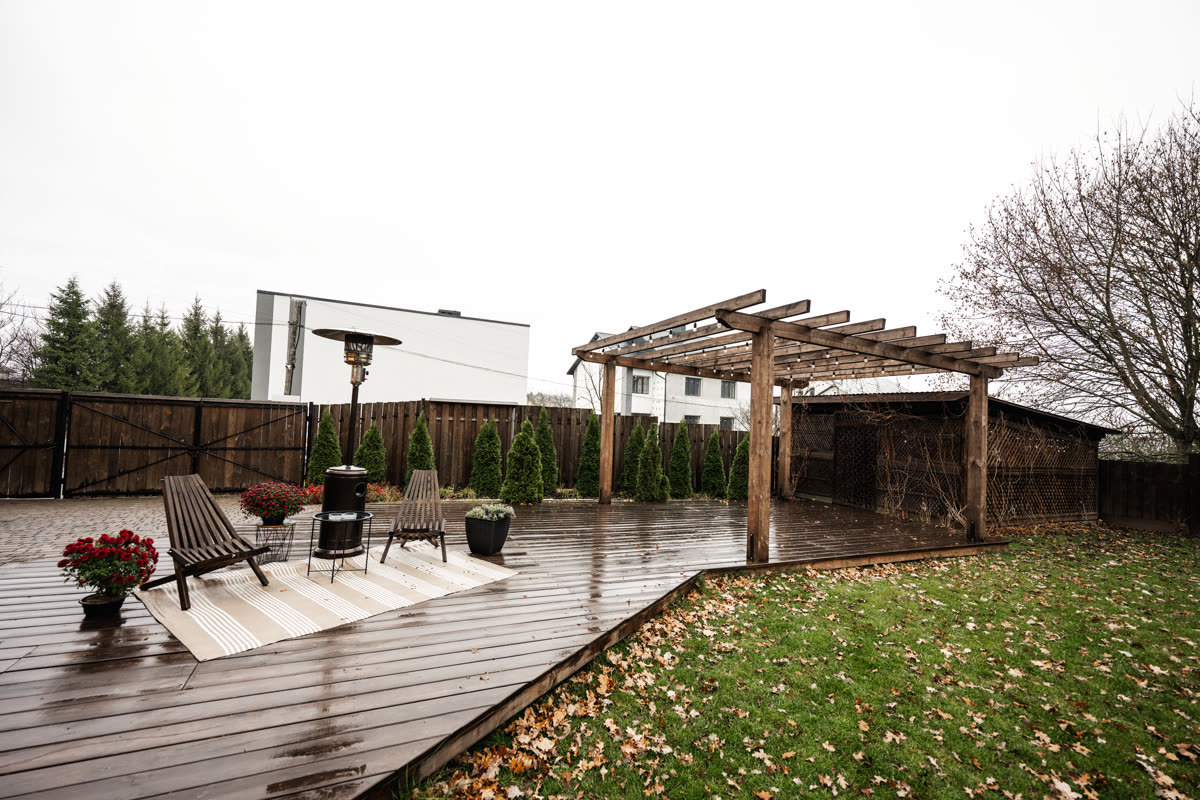
Designing without a plan often leads to chaos and disappointment. This is a common mistake among homeowners embarking on outdoor projects. Without a cohesive vision, your space can end up feeling disorganized, lacking flow and functionality.
The Importance of Planning
A well-thought-out design plan considers how each element functions and interacts with the rest of the space. It also factors in aesthetics, practicality, and long-term upkeep. Without a plan, mid-project changes can cause unnecessary costs and a less harmonious final result.
Here’s what should be included in your outdoor design plan:
Creating a Vision That Works
Collaborating with a landscaping professional can help bring your ideas to life. At TurnKey Outdoor Designs, we help you create a cohesive plan that aligns with your lifestyle, preferences, and budget. Having a detailed roadmap will save you time, money, and stress in the long run.
How Does Overcrowding Spoil a New Orleans Outdoor Space?
It’s easy to fall in love with plants, furniture, and decorative features, until they overwhelm your outdoor area. Overcrowding is a frequent mistake that results in a cramped, chaotic space instead of the peaceful retreat you envisioned.
The Impact of Overcrowding
An overcrowded outdoor area can feel smaller and less functional. Blocked pathways and cramped seating arrangements can make it difficult to relax and enjoy the space. Plants that are too closely packed may also compete for sunlight, water, and nutrients, stunting their growth.
How to Avoid Overcrowding
Pro Tip
Less is often more in outdoor design. Prioritize quality over quantity when it comes to furnishings and plant selections. A well-spaced, thoughtful layout will make your outdoor area more functional and calming.
What Does Skimping on Outdoor Lighting Cost in New Orleans?
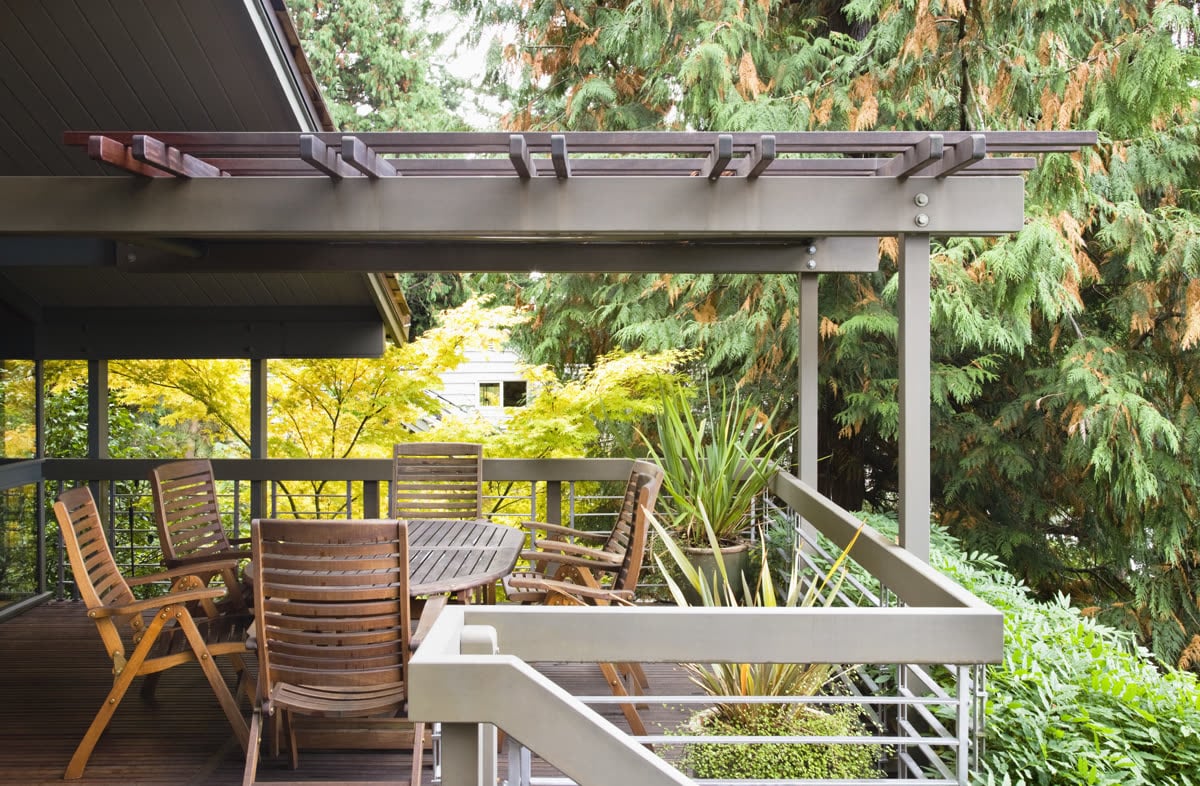
Lighting can make or break the ambiance and usability of your outdoor space. Many homeowners overlook it, leading to dim, unsafe areas that are unusable after dark.
The Importance of Proper Lighting
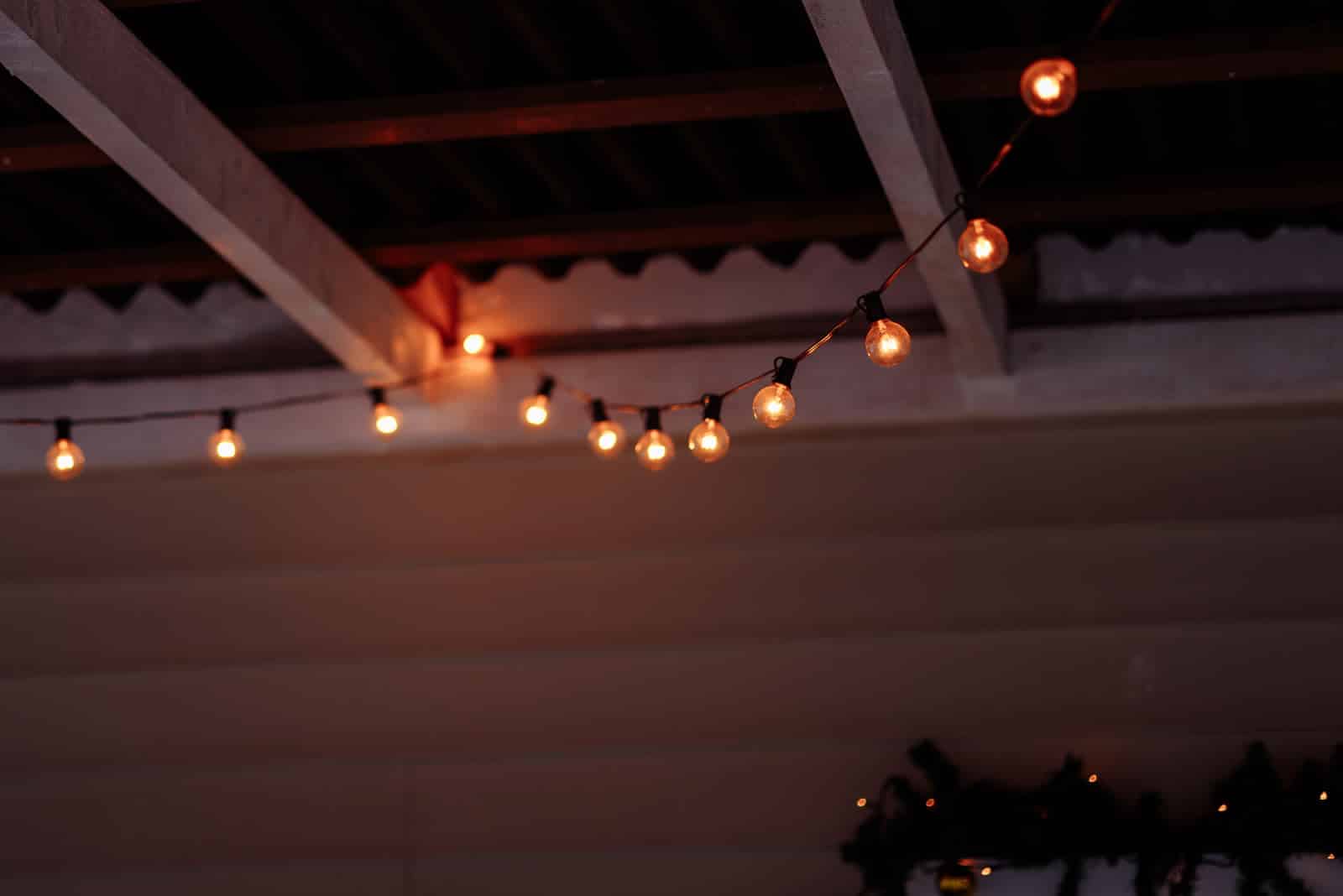
Outdoor lighting adds both beauty and functionality. Thoughtfully placed lighting can enhance the mood for evening gatherings, ensure safety along pathways, and highlight key features. Neglecting this aspect is a missed opportunity to elevate your space’s overall appeal.
Lighting Placement Tips
When planning your outdoor lighting, consider:
Making the Most of Lighting
Investing in quality outdoor lighting fixtures is essential for enjoying your space after dark. Solar lights, LED options, and smart lighting systems are cost-effective and energy-efficient, providing longevity and enhancing the overall design.
Why Does Maintenance Belong in a New Orleans Design Plan?
During the excitement of the design phase, it’s easy to overlook the long-term maintenance required to keep your outdoor space looking pristine. This mistake can result in neglected, overgrown areas and damaged features.
Maintenance Matters
A beautiful outdoor design requires regular upkeep, whether that’s trimming plants, cleaning patios, or refreshing garden beds. Neglecting maintenance can quickly make the space feel unkempt.
Low-Maintenance Design Ideas
If you prefer an easy-to-maintain space, consider:
Avoid the Five on Your Own Project
All five mistakes are cheap to avoid on paper and expensive to fix in the ground. The plan is where they are caught.
At TurnKey Outdoor Designs, we would rather find them at design stage than on site. Call us today to have your plan looked over.
Keep Reading
What Should You Read Next in New Orleans?
Three more guides on the same ground, chosen because they answer the question this one usually raises.



Next Step
Turn This Guide Into a Plan for Your Own Yard
A short call, then a free site visit and a written figure built from what is actually in your yard. Nothing is owed afterwards.
Monday to Friday, 8:00 AM to 3:00 PM