Outdoor Living Guide
The Pros and Cons of Stamped vs. Brushed Concrete for Patios in New Orleans, LA
Stamped concrete is chosen for its decorative appeal, while brushed concrete gives a simpler, slip-resistant finish that suits busy walkways. Each carries its own cost and its own maintenance.
Stamped concrete gives a New Orleans patio a decorative finish that imitates stone or brick, while brushed concrete gives a plainer, slip-resistant surface that suits walkways and anywhere that stays wet. Stamped costs more to lay and wants resealing; brushed costs less and asks for very little. The choice is usually decided by how much of the patio gets walked on barefoot and wet.
Stamped concrete is chosen for its decorative appeal, while brushed concrete gives a simpler, slip-resistant finish that suits busy walkways. Each carries its own cost and its own maintenance.
At TurnKey Outdoor Designs, we find the decision usually comes down to where the water goes and who walks there barefoot. Looks settle it only after that.
Both are sound choices for the right part of a patio. Contact us today to work out which belongs where on yours.
Stamped or Brushed Concrete for a New Orleans Patio?
The biggest plus for stamped concrete is its decorative appeal, while brushed concrete provides a simpler, slip-resistant finish ideal for busy walkways. Each finish comes with its own costs and maintenance needs, so it’s important to weigh them carefully before deciding.
Let us help you decide better by contacting us at TurnKey Outdoor Designs. Our team is here to guide you every step of the way. Reach out today and let’s create a patio you’ll love spending time in.
What Should You Weigh Up Before Choosing in New Orleans?
What Is the Difference Between These Concrete Finishes in New Orleans?
The stamped and brushed finishes represent popular decorative options in the concrete world. If you’re caught between the two, you need to weigh the different aspects unique to each against your own functional and stylistic objectives.
Stamped Concrete
For stamping concrete, custom-made stamps produce intricate patterns that mimic high-end materials such as cobblestone or slate; stamped concrete is therefore an affordable luxury. It can be molded into many forms, from traditional to modern.
Attaining professional results requires skill and a high level of careful monitoring of the stamping process, and color additives and sealants for protection and durability are a must. The staining and weather protection of colored surfaces need to be enhanced by regular resealing every three to five years, especially under harsh conditions.
Brushed Concrete
Brushed concrete, produced by dragging a broom over wet concrete, has a light texture that improves slip resistance, making it ideal for busy spaces such as pool decks. Though it is relatively simple-looking, it goes well with rustic designs and is practical and economical. Brushed concrete is usually resilient and low-maintenance if regularly cleaned in order to remove dirt buildup.
How Do Stamped and Brushed Concrete Compare in New Orleans?
Consider these main criteria if you are about to get yourself a new patio and are comparing stamped and brushed concrete. Both of these concrete types have their merits and depend on your own choice and budget.
1. Visual Appeal
Stamped concrete is unique because it can mimic expensive materials like stone, brick, or wood. Endless colors, patterns, and textures let you customize your vision, whether it’s an exotic wood plank, rustic cobblestone, or sleek slate finish. This versatility makes stamped concrete ideal for boosting curb appeal and creating standout patios.
Brushed concrete has a less elaborate and more natural finish that captures the rustic feel of outdoor spaces amidst greenery. Its simplistic pattern doesn’t interfere with the landscaping, which is why brushed concrete is often utilized in minimalistic aesthetics. Stamped concrete definitely wins when it comes to decorative charm; however, its simple characteristics are more favorable to functional or informal outdoor settings.
2. Initial Cost
Brushed concrete isn’t too expensive, costing around $4-$7 per square foot. In economic terms, this allows homeowners to enhance the outdoors without astronomical expenditures. The quick process of installation just adds to the others on its list.
Anything that has a stamped concrete cost will range from about $8 to $28 per square foot for special custom work. The high cost is a reflection of the labor-intensive jobs and special materials involved in giving it its unique stamping and coloring finishes. Despite the hefty price, stamped concrete can be a worthwhile investment and is sure to add aesthetics.
3. Durability
Both finishes have compressive strengths of 3000 to 4000 psi, making them durable against everyday use. Brushed concrete’s simple surface resists cracking, while stamped concrete benefits from sealers that protect its intricate patterns.
Weather conditions will also affect the working life of both types, which is why sealing and professional installations are required for high durability, just like what has to be done with stamped concrete.
4. Maintenance
Brushed concrete requires some pressure cleaning for dirt removal to maintain its cleanliness, whereas the slip resistance is retained in a light texture. With maintenance, dirt gets stuck in the grooves, but cleaning becomes easy. Brushed concrete repairs are also easy; minimal work with a little re-brushing can bring back its good finish.
Aesthetically appealing, stamped concrete needs more maintenance to keep up an ideal decorative look. The maintenance includes resealing every 3 to 5 years, depending on the uses and degree of exposure the surface faces. Repairs, on the other hand, are quite an uphill task as they require an expert touch to match the pattern work and color.
What Does Concrete Patio Installation Involve in New Orleans?
Diagonal reflection is evident in the contrast between installation styles for brushed and stamped concrete. Brushed concrete is simple, versatile, and budget-friendly, making it suitable for DIY projects. It’s poured, leveled, and broomed to create a non-slip surface, and the process is quick with minimal tools required.
On the other hand, stamping and the more advanced and intensive form of contracting probably require professional help. Precision is of utmost importance because patterns are stamped using specialized tools on wet concrete. While an infinite number of colors and designs can be used, this complexity makes it uneconomical for nonprofessional installations. However, both finishes, when properly installed and sealed, can last for decades. In wet areas, brushed concrete would rightly offer better slip resistance, while stamped concrete leads in aesthetics and capacity for personalization.
Decide Which Finish Suits Your Patio
Stamped buys appearance and brushed buys grip, and most patios want some of each. Where the water sits should decide the split.
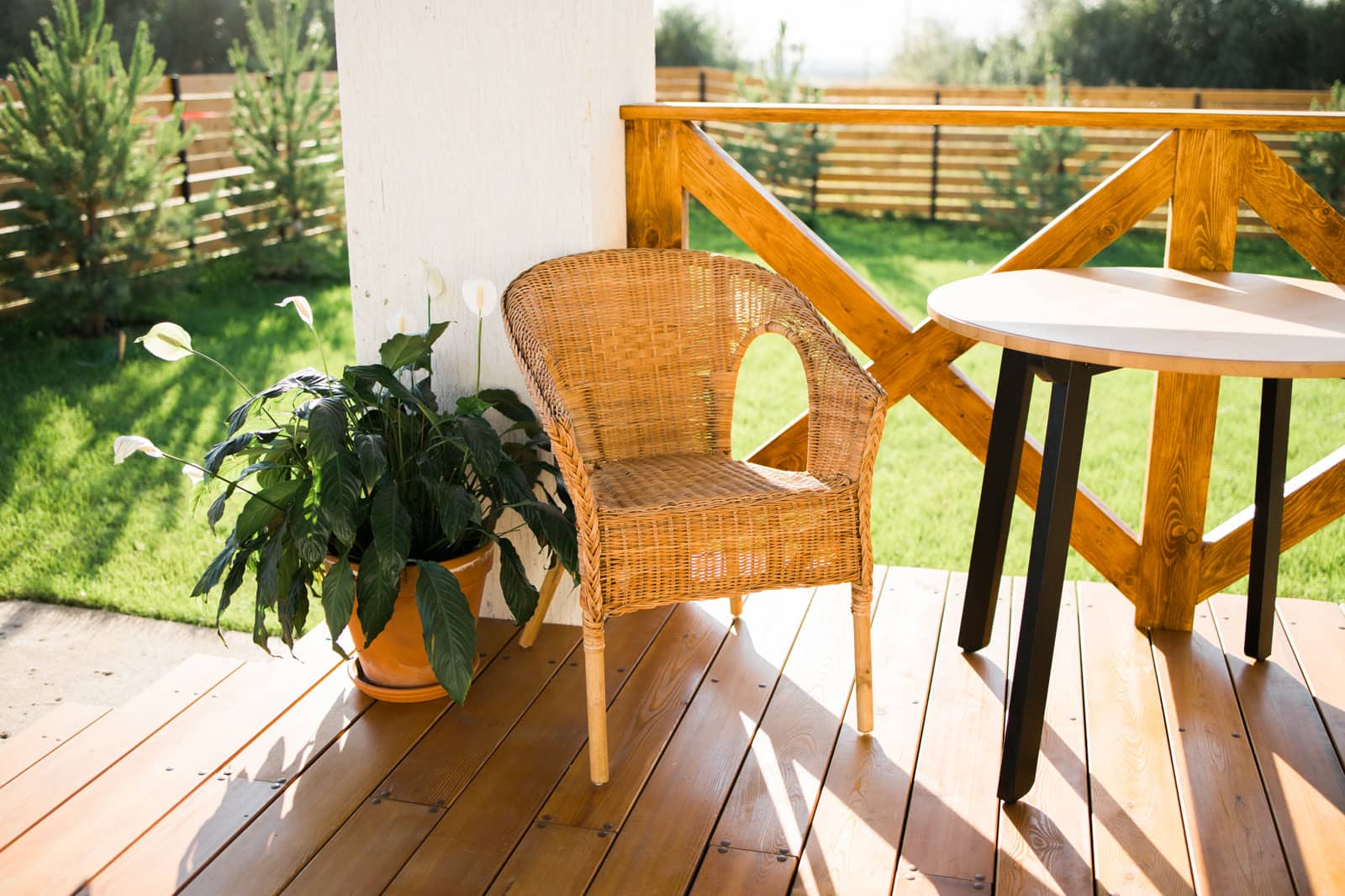
At TurnKey Outdoor Designs, we set the finish by the use rather than by the sample board. Call us today to walk your patio with us.
Keep Reading
What Should You Read Next in New Orleans?
Three more guides on the same ground, chosen because they answer the question this one usually raises.
Next Step
Turn This Guide Into a Plan for Your Own Yard
A short call, then a free site visit and a written figure built from what is actually in your yard. Nothing is owed afterwards.
Monday to Friday, 8:00 AM to 3:00 PM